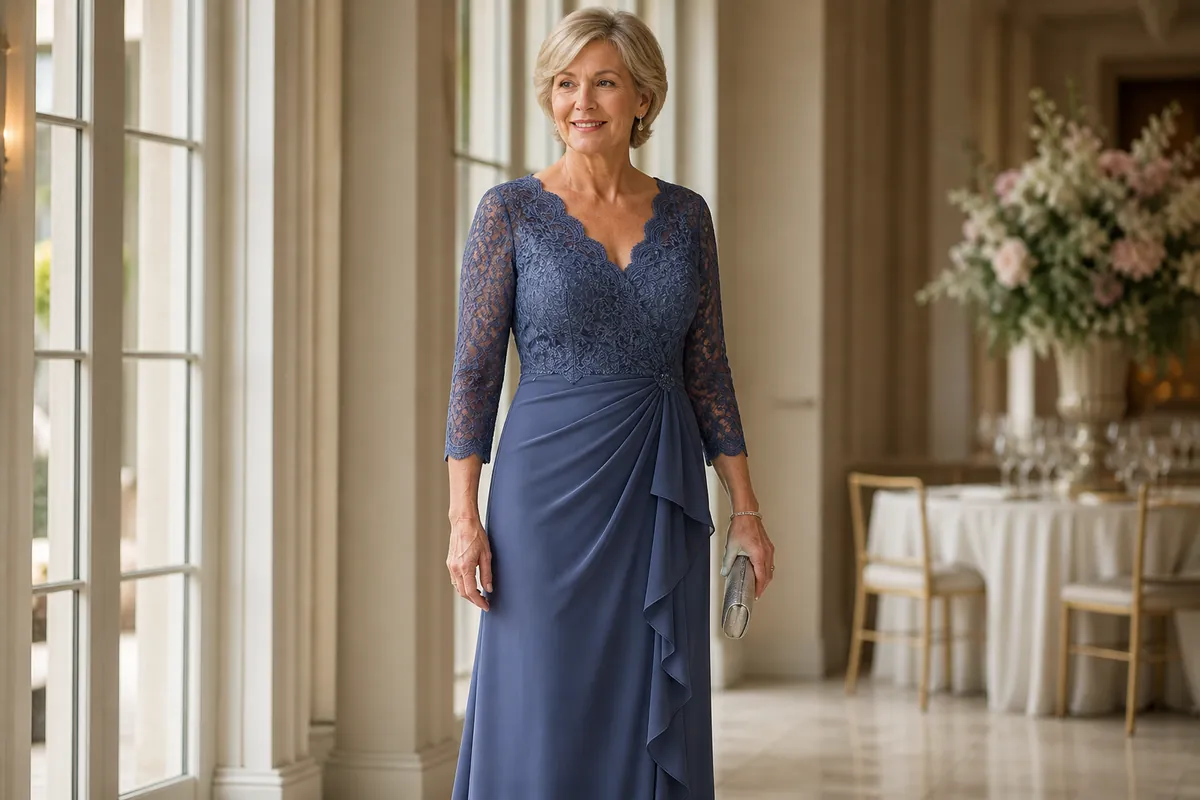
Mother of the Bride Dresses for Black-Tie Weddings
What black tie means
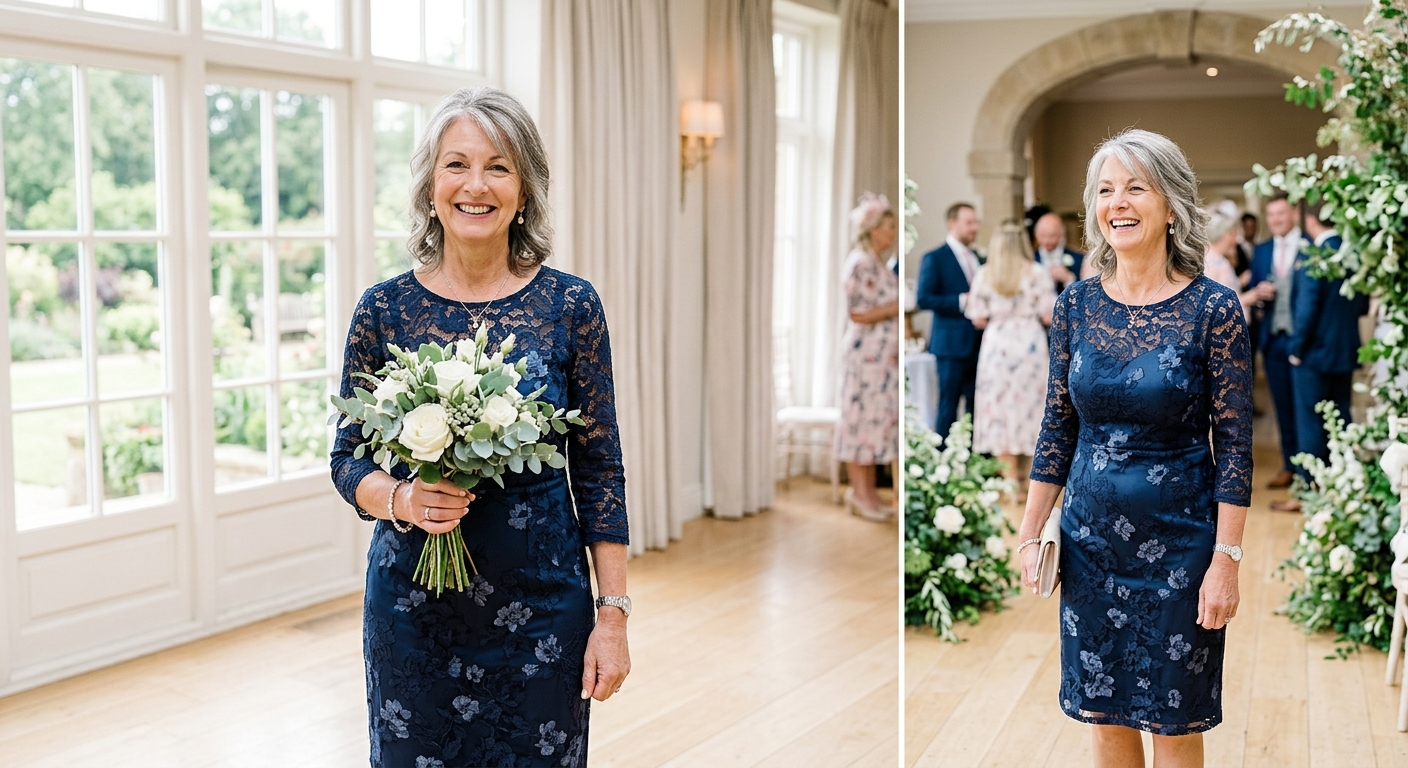
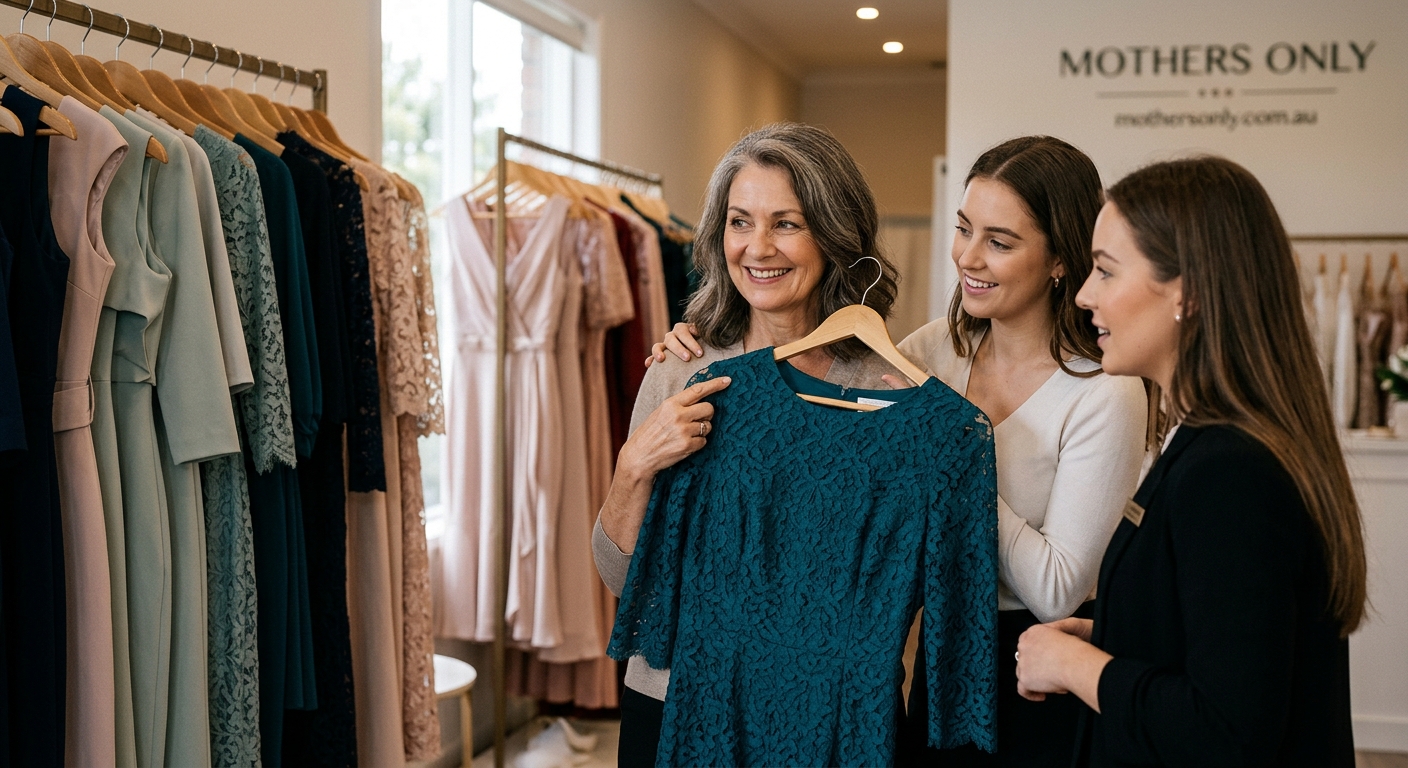
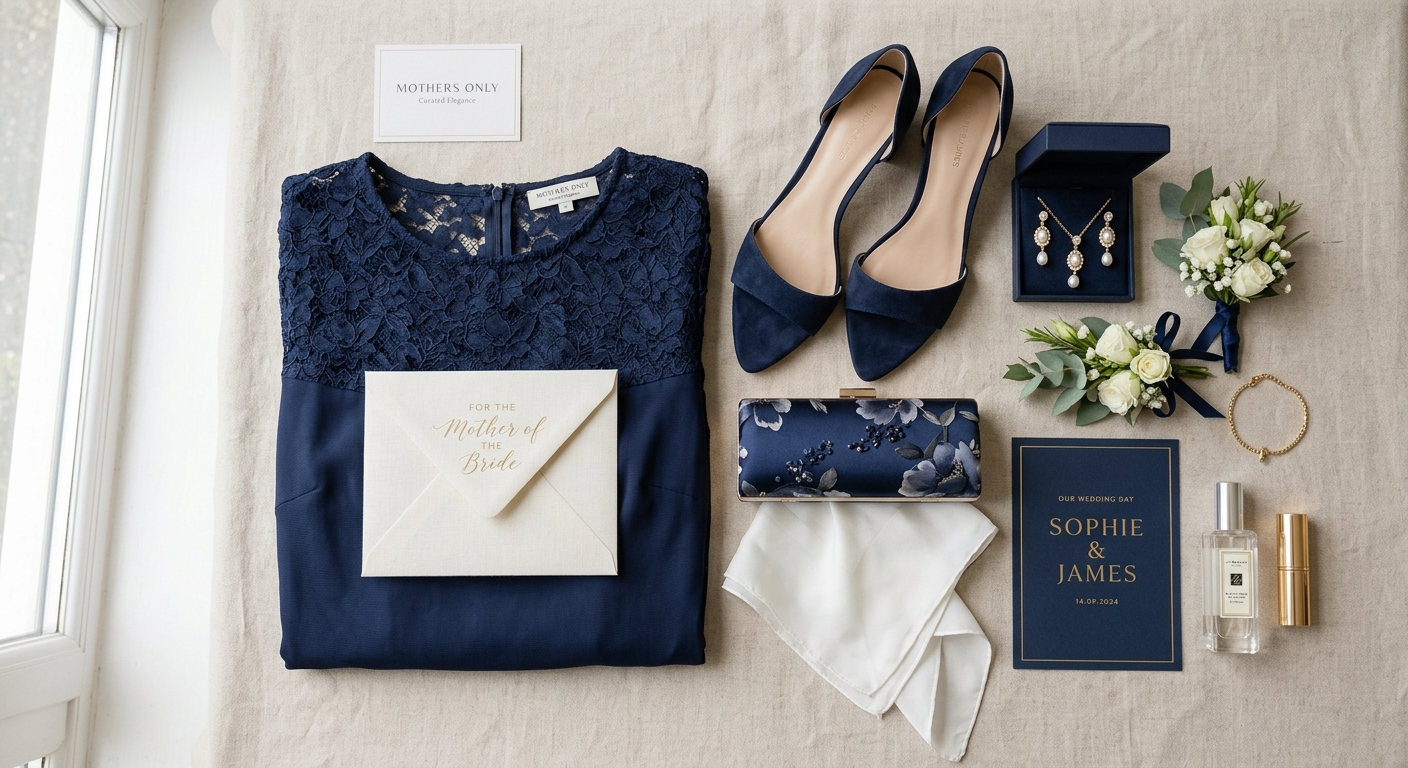
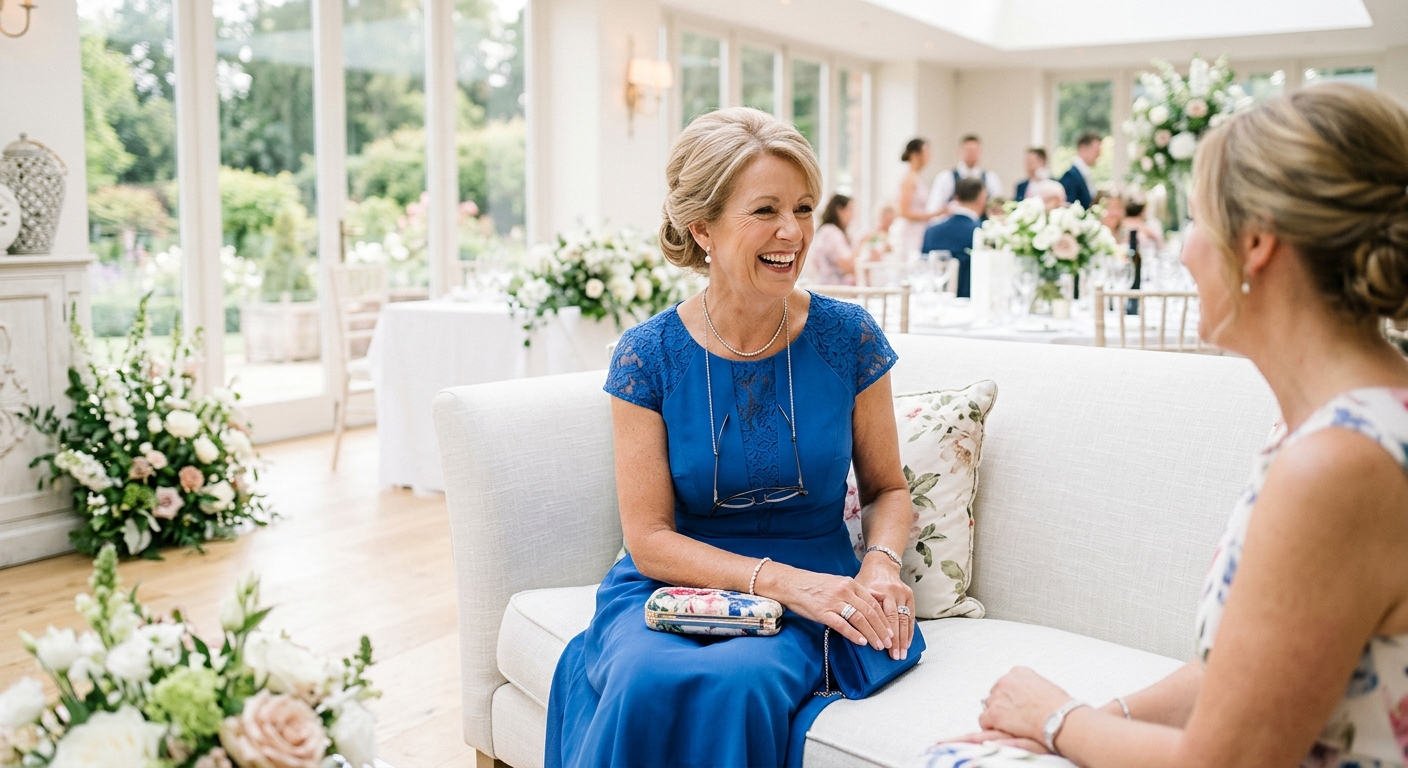
Black-tie weddings call for a higher level of formality, and that should be reflected in the Mother of the Bride outfit. The dress does not need to be dramatic, but it should feel polished enough to sit comfortably alongside a very formal wedding gown, an elevated venue, and an evening celebration. In other words, the outfit should feel special, structured, and considered.
A black-tie setting usually means longer lengths, richer fabrics, and cleaner lines. That does not have to translate into something stiff or overly ornate. Instead, it is about choosing a dress that has presence without becoming flashy. The Mother of the Bride should look like she belongs in the room, not like she is trying to become the focus of it.
Australian black-tie weddings may take place in city ballrooms, heritage venues, luxury hotels, or formal estates, and each setting can influence the exact look. A dress that works beautifully in a grand indoor venue may feel different in a more modern space. The key is to match the tone of the event and keep the outfit cohesive with the rest of the wedding styling.
If you are starting the search, browse the collections, then move through the homepage and blog to compare shapes and formality levels. The about us page can also help you understand the brand’s style direction before narrowing down the final dress.
Style advice from Brides often points to the same principle: black-tie dressing should feel refined, harmonious, and appropriately formal.
Best fabrics for eveningwear
Fabric choice is one of the most important parts of a black-tie Mother of the Bride look. The fabric should feel rich enough for eveningwear while still being comfortable for a long event. Ideally, it should drape beautifully, hold its shape, and create a polished line from every angle.
Crepe, satin with body, chiffon with structure, and refined lace are all strong choices depending on the level of formality and the season. These materials usually give the dress the presence it needs without making it feel too heavy or fussy. A well-chosen fabric can do a lot of the styling work on its own.
Texture can also be effective in black tie, but it should be used thoughtfully. A subtle sheen or a soft textured finish can feel luxurious without being showy. The aim is to catch light elegantly, not to overwhelm the eye with too much detail.
Heavier fabrics can work beautifully if they still move well. A dress should feel substantial enough for the formality of the event, but not so rigid that it becomes hard to wear. A beautiful black-tie dress should allow you to move, sit, and celebrate comfortably.
If you want to compare shapes and fabrics together, the collections page is a useful place to start. The blog can also help you see which styles best suit a formal evening setting.
For wider style inspiration, editorial coverage from Harper’s BAZAAR and Vogue often shows how refined fabric choices create a formal look without the need for extra embellishment.
Best colours for black tie
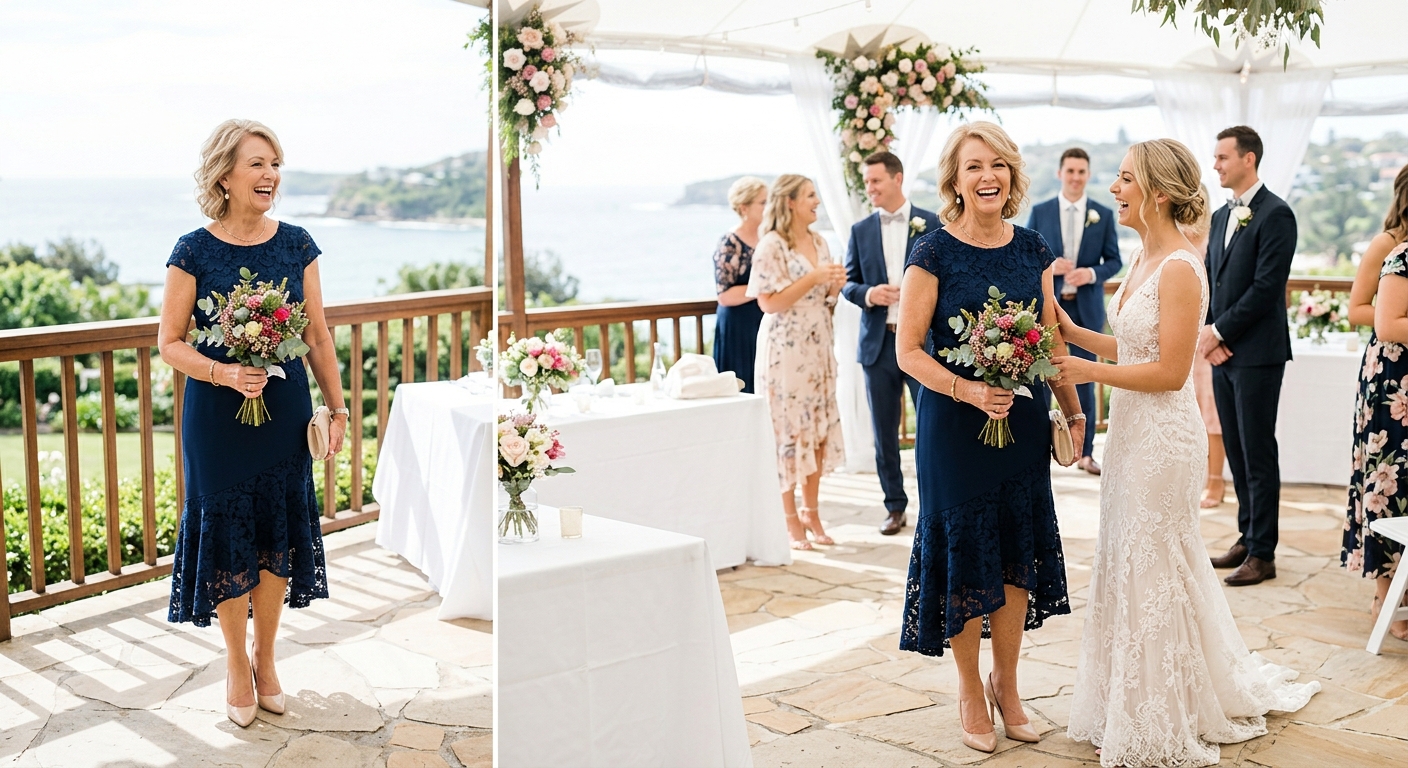
Colour is a major part of black-tie dressing because it helps define the level of formality before anyone notices the details. In this setting, richer, deeper, and more polished shades are often the strongest choices. Navy, emerald, plum, charcoal, deep blue, burgundy, champagne, and sophisticated neutrals all work beautifully depending on the event.
Black itself can be a striking option too, especially if the dress is elegant and the accessories are soft enough to keep the outfit refined. For many mothers, however, a deep jewel tone or a softly luminous neutral feels easier to wear and more flattering in photographs. The exact shade should still suit your complexion and the overall mood of the wedding.
Black-tie weddings often take place in evening or indoor settings, so colour should also work under artificial light. Some shades become richer at night, while others can flatten out if they are too pale or too cool. A good black-tie colour should have enough depth to stay interesting in different lighting conditions.
It is helpful to think about the bride’s palette too. The Mother of the Bride does not need to match the bridal party exactly, but the outfit should still feel connected to the event. A coordinated shade usually looks more elegant than a colour that feels out of step with the rest of the styling.
To compare colour families and silhouettes at the same time, the collections and homepage are the best place to start. They make it easier to see which tones feel most formal and evening-appropriate.
Wedding style guidance from Brides and Martha Stewart Weddings often shows how a strong colour choice can make formalwear feel intentional and luxurious.
Best styles and silhouettes
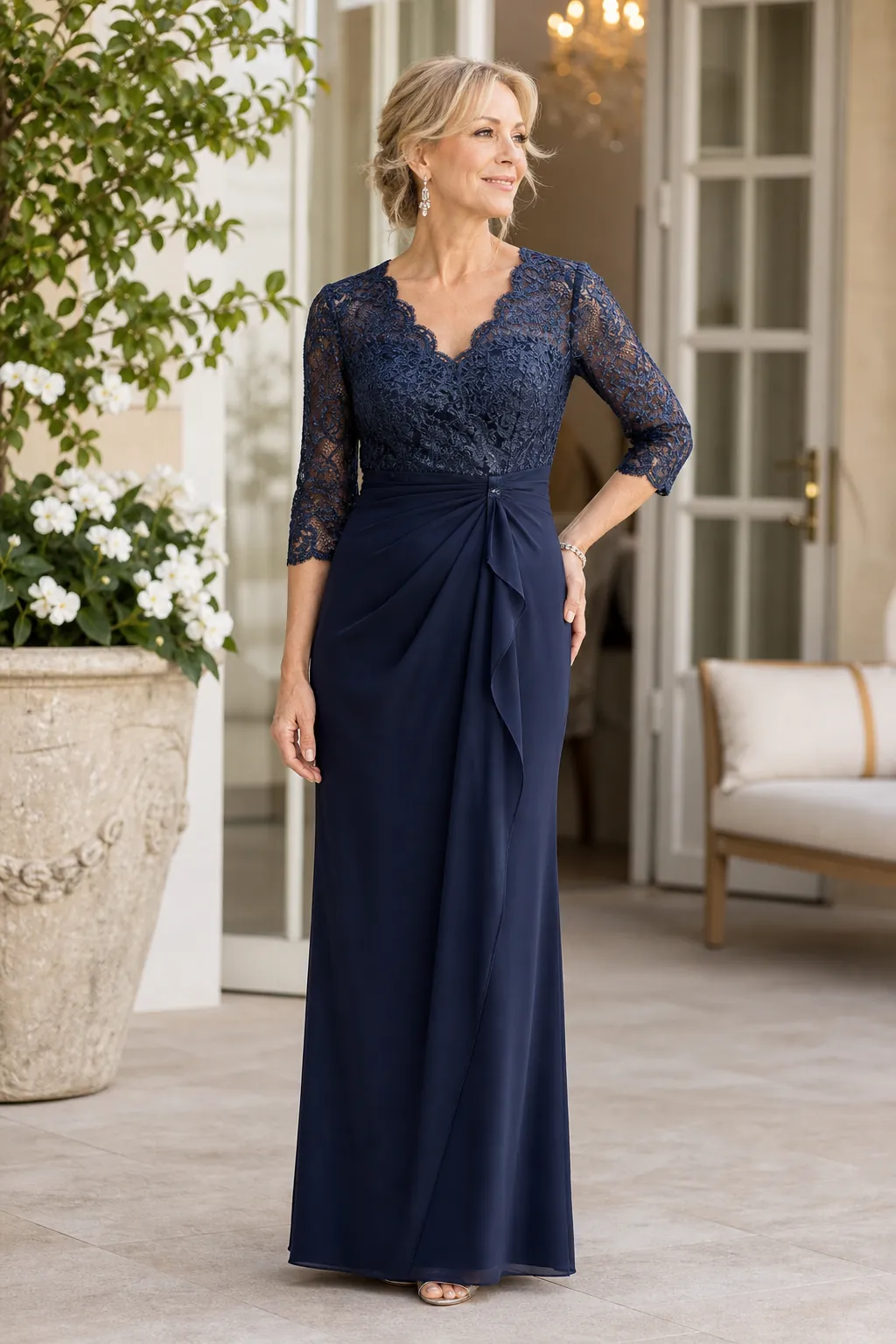
For black tie, the silhouette should feel graceful, polished, and proportionate. Full-length gowns are often the safest and most elegant choice because they immediately signal formality. A long line can also make the whole outfit feel more composed and flattering in evening photos.
Softly fitted gowns, column shapes, and A-line silhouettes can all work beautifully if they are made from the right fabric and balanced well through the body. The important thing is not to overcomplicate the shape. A clean silhouette often reads as much more elegant than a dress with too many competing design details.
Sleeves can add extra refinement if you want more coverage. Long sleeves, sheer sleeves, or a beautifully cut short sleeve can all work depending on the dress design and the weather. If you prefer sleeveless, the neckline and overall structure should still feel secure enough for a formal evening event.
Necklines should be chosen with balance in mind. A dress that feels too open or too casual can sit awkwardly in a black-tie setting, while one that is overly restrictive can feel less comfortable. The best neckline is the one that flatters the wearer and fits the tone of the event.
If you are comparing options, the blog and about us pages are useful for keeping the overall look aligned with the brand’s formalwear style. The collections page is also great for seeing how formal silhouettes compare side by side.
Style references from Harper’s BAZAAR often show that a long, refined silhouette is one of the strongest signals of black-tie elegance.
What to avoid
In black tie, the biggest mistake is being too casual. A dress that feels underdressed will stand out in a way that is not helpful. Even if the wedding itself is warm and welcoming, the outfit still needs to match the level of formality in the room.
You will also want to avoid anything too loud, too short, or too embellished. The Mother of the Bride should look polished and elegant, not like she is trying to compete with the bride or the venue. That means avoiding styles that demand too much attention or feel more suited to a party than a formal wedding.
Very casual fabrics, overly bright colours, and too many decorative extras can also work against the black-tie mood. The dress should feel smooth, refined, and controlled. The more formal the wedding, the more useful it is to keep the styling clean.
It is also wise to avoid accessories that make the outfit feel crowded. Black tie does not mean over-accessorised. In fact, a carefully edited outfit often looks much more luxurious than one with too many pieces fighting for attention.
If you are not sure where the line is, use the collections page to compare styles and identify which ones feel appropriately formal. The blog is also a useful reference if you want to keep the outfit direction calm and elegant.
Wedding style advice from Brides and Vogue often reinforces the same lesson: black tie works best when the outfit looks intentional, balanced, and beautifully restrained.
Styling and accessories
Accessories are where the black-tie outfit becomes complete. Shoes should feel formal and refined, but also practical enough to wear comfortably throughout the evening. A polished heel is often a natural choice, but the exact style should still suit the hemline, venue, and your own comfort level.
Jewellery should usually be elegant and measured. A small statement piece may be enough, especially if the dress itself already has strong structure or detail. If the dress has a simpler line, a necklace or earring can add just the right amount of polish. The goal is to finish the outfit, not crowd it.
A wrap, jacket, or shawl can be a smart addition for cooler evenings or more conservative venues. It should feel like part of the whole look rather than something added at the last minute. Texture and colour should remain aligned with the dress so the result feels seamless.
Hair and makeup also matter in a black-tie setting because they help complete the formality. A polished hairstyle and a little more refinement in the makeup look can help the whole outfit feel finished. The key is to feel elegant without seeming overdone.
It is always worth trying on the full look together before the wedding — dress, shoes, jewellery, and wrap included. When everything is on at once, you can see whether the outfit feels calm, balanced, and truly formal.
If you want to revisit the outfit direction before making the final choice, the homepage and collections are the quickest way to compare options and keep the final look aligned with the black-tie tone.
For a wider view of wedding styling, Martha Stewart Weddings and Harper’s BAZAAR often show how restrained accessories and well-considered finishing touches create a more luxurious result.
Frequently asked questions
What should the Mother of the Bride wear to a black-tie wedding?
She should wear something formal, polished, and appropriate for an evening event. A long gown or refined formal dress in a rich fabric is often the safest and most elegant choice.
What colours work best for black-tie MOB dresses?
Navy, emerald, plum, charcoal, deep blue, burgundy, champagne, and other refined neutrals are all strong options. The best colour is one that suits the event and feels elegant in evening light.
Can the Mother of the Bride wear black to a black-tie wedding?
Yes, black can be a sophisticated and appropriate choice if the dress is beautifully cut and the accessories keep it soft and formal. It often works especially well for evening weddings.
Should black-tie Mother of the Bride dresses be long?
Long dresses are usually the most appropriate choice for black tie because they immediately signal formality. A floor-length gown is often the most elegant option, though some formal midi styles can also work depending on the event.