Mother of the Bride Etiquette: What to Wear and What to Avoid
What etiquette means
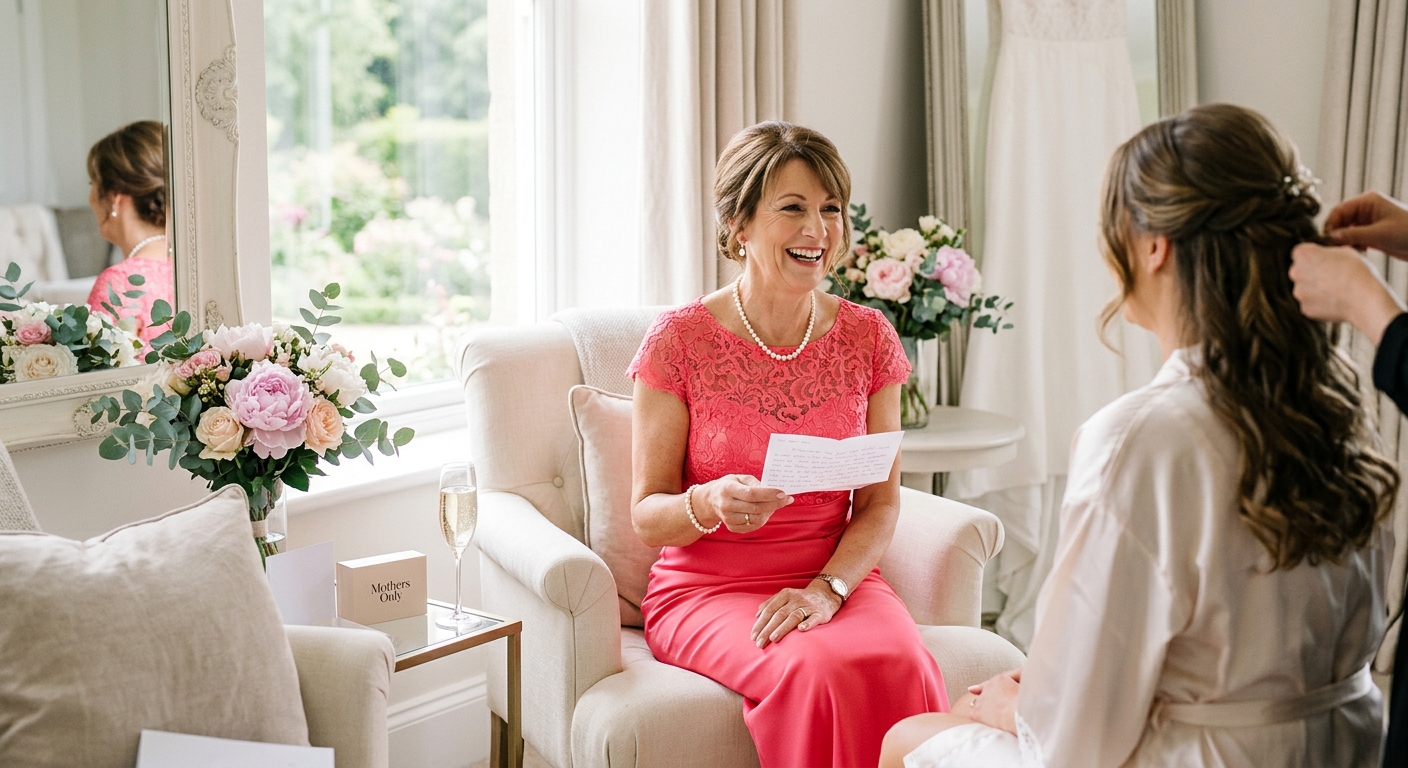
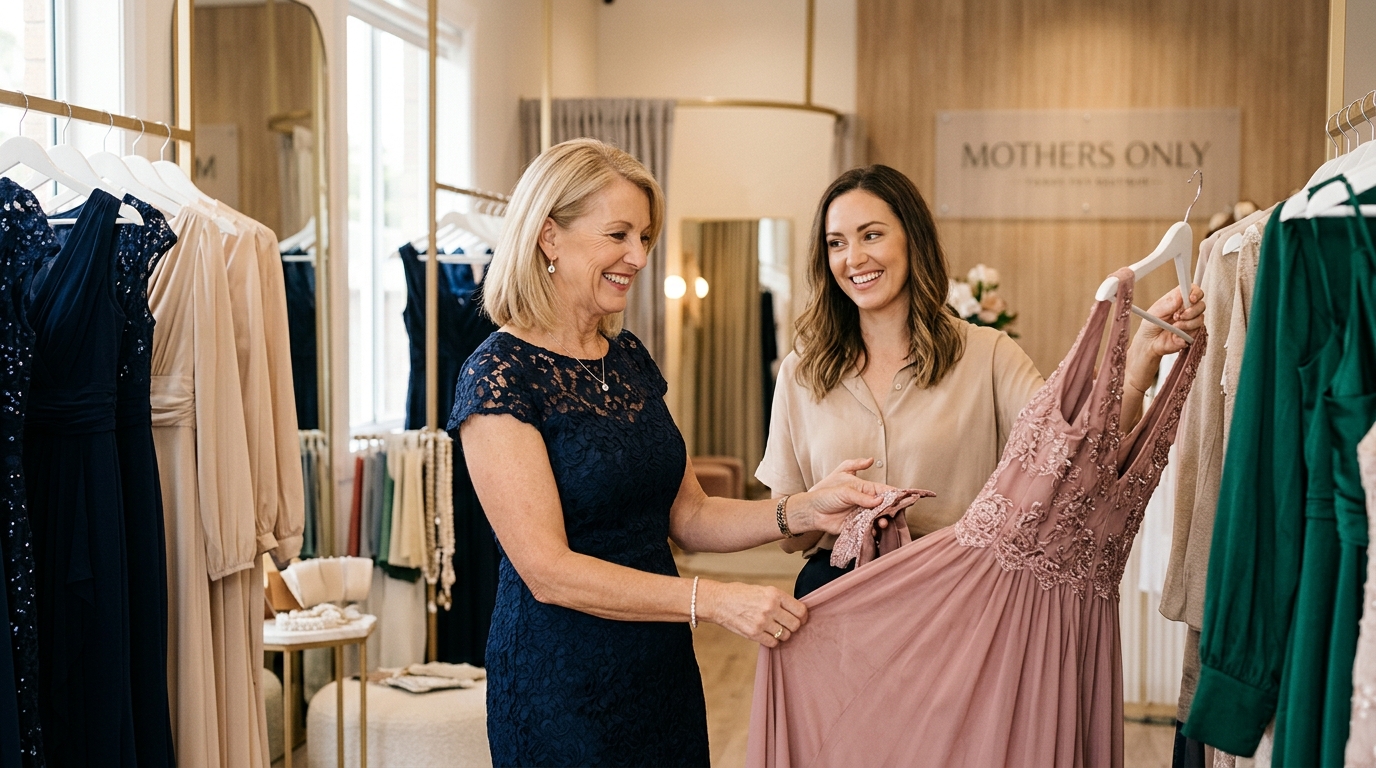
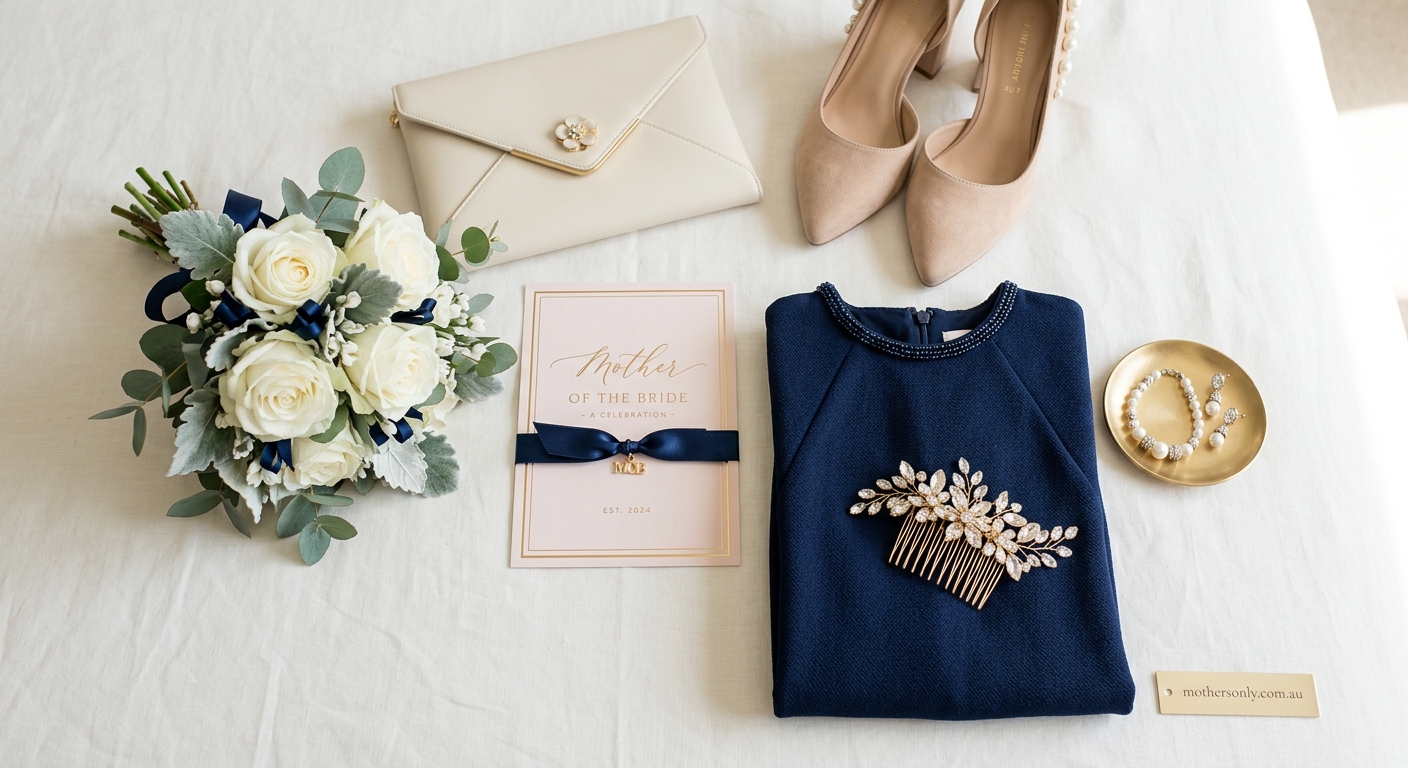
Mother of the Bride etiquette is really about showing up in a way that supports the wedding rather than distracting from it. That means being thoughtful about the dress code, the family dynamic, and the overall tone of the day. In practical terms, it is less about strict rules and more about making choices that feel respectful, appropriate, and calm.
For many Australian weddings, etiquette also means adjusting to the venue and season. A beach ceremony will have different expectations from a formal city reception, and a garden wedding will need a different approach from a winter indoor event. The best outfit is the one that fits the occasion and still allows you to feel like yourself.
Another part of etiquette is coordination. The Mother of the Bride does not need to blend into the background, but she also should not look like she is competing with the bride or the bridesmaids. A good outfit feels elevated without being loud. That is the balance that tends to work best in photos and in person.
If you are starting to think about what will suit the day, browse the collections and the broader homepage to compare styles and levels of formality. The blog and about us pages can also help you understand the brand’s style direction before you settle on the final dress.
Style advice from Brides often points to the same idea: the best MOB outfit is one that feels polished, respectful, and in step with the day.
What to wear
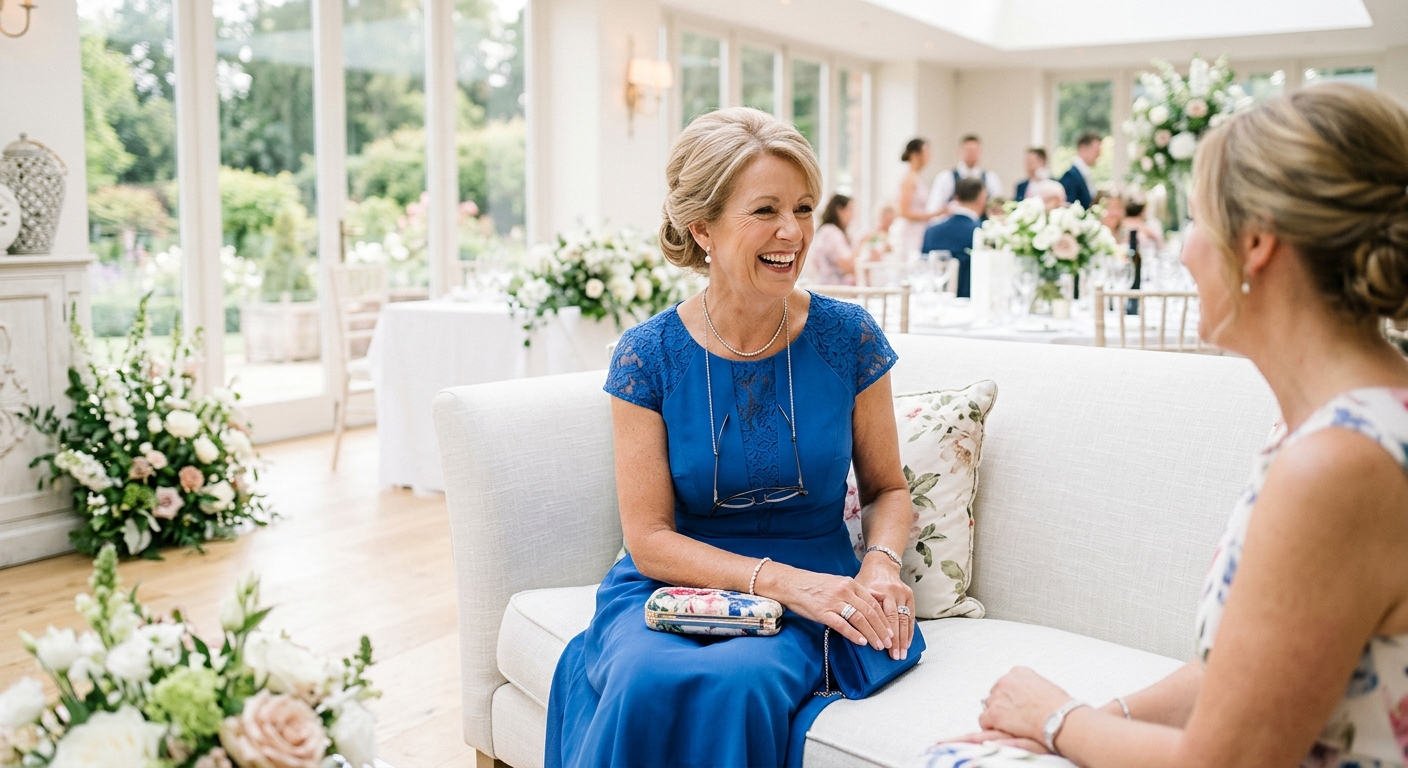
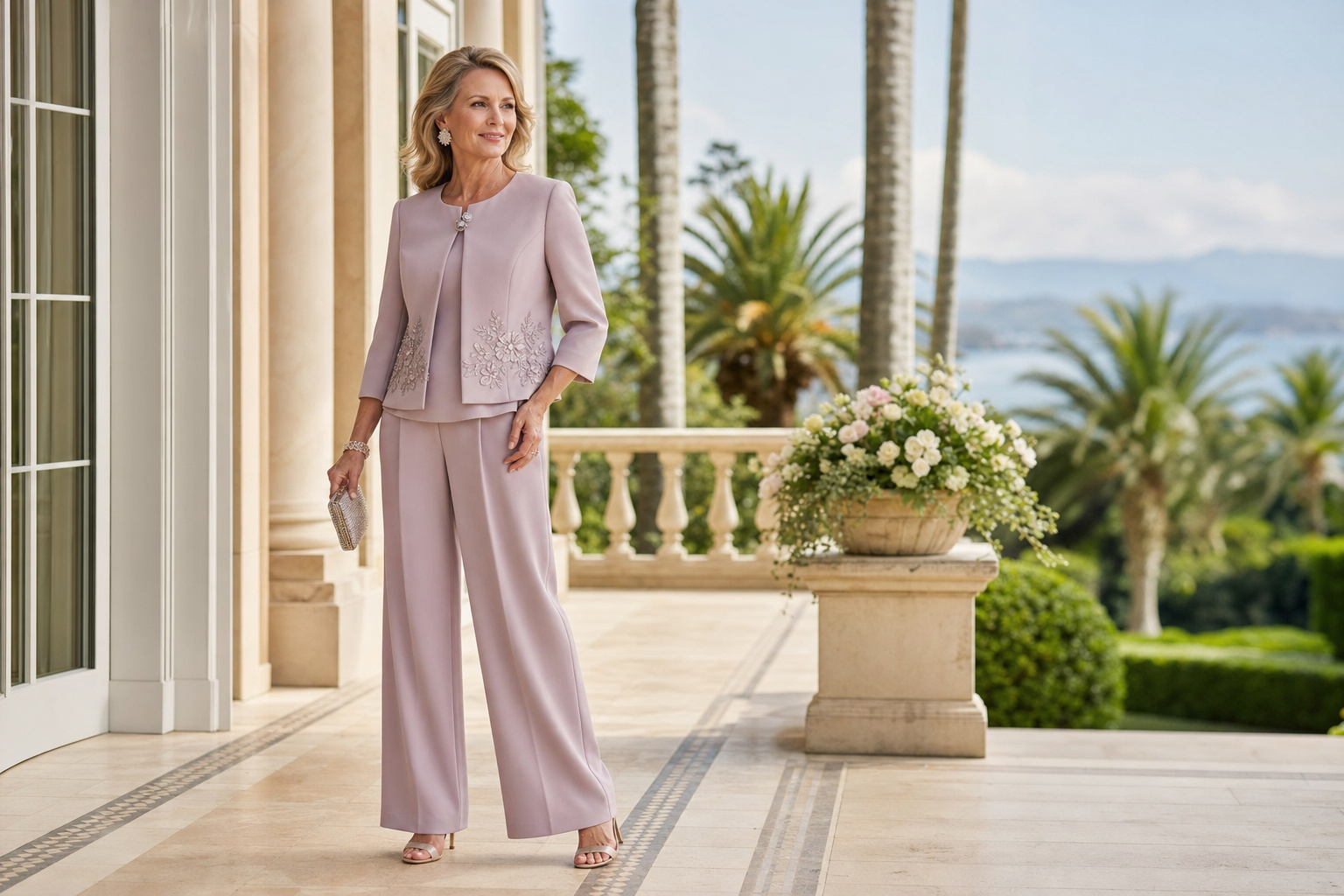
The safest etiquette choice is to wear something formal enough for the wedding but not so elaborate that it pulls focus. A dress that feels elegant, tailored, and appropriate to the venue is usually the best place to start. The goal is to look beautifully dressed in a way that supports the day rather than becoming the centre of attention.
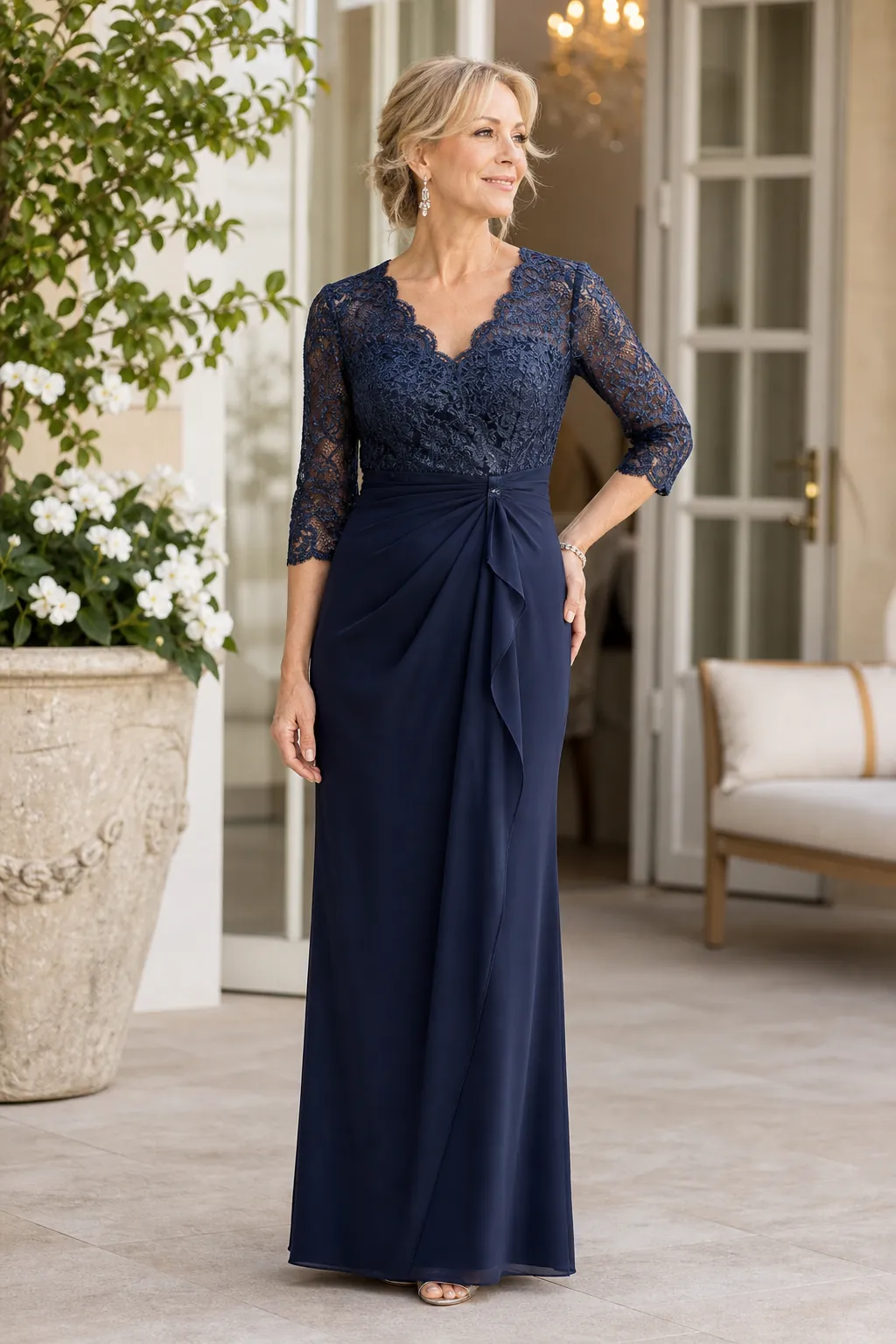
When deciding what to wear, consider the wedding’s dress code first. Black-tie or formal weddings usually call for a longer, more polished gown. Garden, coastal, or daytime weddings may suit a softer silhouette or a slightly lighter fabric. If the dress code is less clearly defined, it helps to ask the bride or wedding planner for guidance early.
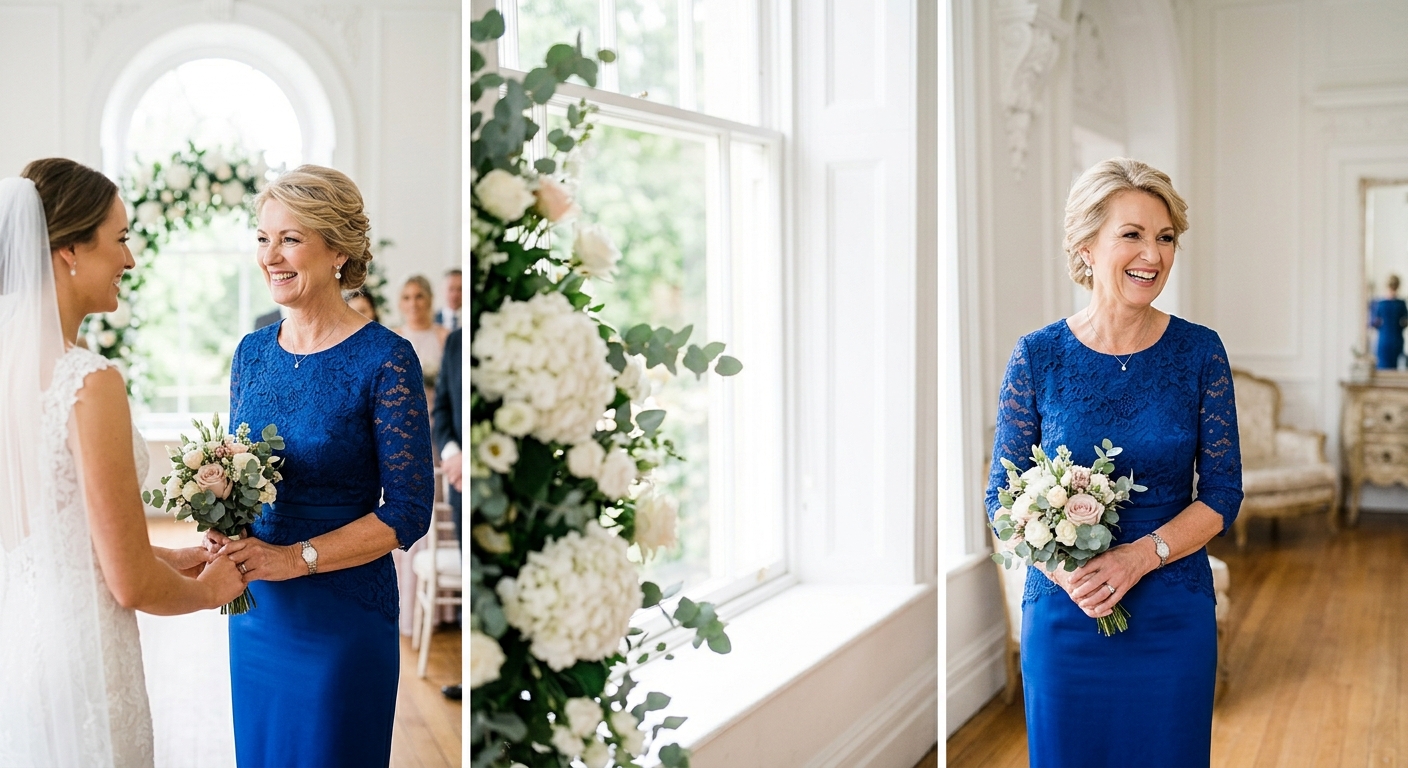
Colour matters too. The outfit should complement the wedding rather than clash with it. Soft neutrals, muted jewel tones, and elegant pastels are all common choices because they feel refined and easy to coordinate. The best colour is usually the one that fits the overall styling and flatters the wearer without looking too loud.
Fit is also part of etiquette because an outfit that is comfortable and well chosen tends to read as more polished. A dress that is too tight, too short, or too flashy can feel distracting, even if the fabric is beautiful. A clean silhouette and a good fit help the whole look feel respectful and modern.
If you want to explore styles that suit different types of wedding formality, the collections page is a useful place to compare options. You can also check the blog for extra style direction and the about us page for an overview of the brand’s aesthetic.
Wedding style coverage from Harper’s BAZAAR and Martha Stewart Weddings often shows that the most elegant mother-of-the-bride looks are the ones that feel considered, simple, and appropriately formal.
What to avoid
There are a few etiquette mistakes that are best avoided when choosing a Mother of the Bride outfit. The first is anything that could reasonably be seen as competing with the bride. That includes overly bridal shades if they are too close to white, overly dramatic silhouettes, or anything so heavily embellished that it takes over the moment.
Another thing to avoid is dressing too casually. Even if the wedding itself is relaxed, the Mother of the Bride role usually calls for a little more polish than a guest outfit. A look that is too simple, too informal, or too everyday can feel out of step with the importance of the day.
It is also wise to avoid colours or details that clash with the wedding palette. You do not need to match the bridesmaids exactly, but your outfit should fit the mood of the day. A very bright or very dark tone can work, but only if it feels deliberate and appropriate for the event.
Strong negative opinions from too many people can also be a problem. Friends and relatives may all have thoughts, but the final choice should still be grounded in the wedding vision, your comfort, and the level of formality. Etiquette is about support, not confusion.
If you are not sure what to rule out, use the collections page to compare styles side by side and see which ones feel in line with the occasion. The homepage is another good way to reset and look at the overall styling tone again.
Style references from Brides tend to reinforce the same point: avoid anything that feels too attention-seeking or too casual for the role.
How to coordinate well
Coordination is a big part of Mother of the Bride etiquette because it keeps the family photos and the overall wedding styling looking harmonious. The goal is not to match everyone exactly. It is to make sure the different formal outfits all belong to the same story.
A good first step is to talk with the bride early about the tone of the wedding. You do not need to ask for every detail, but it helps to know the level of formality, the preferred colour family, and whether there are any specific sensitivities around the outfit choices. That simple conversation can prevent a lot of stress later.
It is also helpful to coordinate with the Mother of the Groom if possible. The two outfits do not need to be the same, but they should feel equally polished and appropriate. When both families are dressed with the same level of care, the whole event feels more balanced.
Think about the wedding party as a whole. The Mother of the Bride should not look more casual than the guests or more formal than the couple. The best look is one that sits comfortably in the middle: elegant, respectful, and fully suited to the event.
If you are choosing between different levels of formality, the blog can help you compare styling ideas. The about us page also helps keep the choice aligned with the overall brand style, which can be useful when you want the final look to feel cohesive.
For wider guidance, Vogue and Brides often show how coordinated formalwear feels more elegant than outfits that try too hard to stand out.
Planning and shopping tips
The easiest way to avoid etiquette mistakes is to start planning early. When you leave shopping too late, you are more likely to settle for something that is available rather than something that is actually right for the wedding. Early planning gives you time to compare options, get the fit right, and make thoughtful accessory choices.
It also helps to think about the full outfit before you buy. Dress, shoes, jewellery, wrap, and bag should all work together. An elegant dress can lose impact if the accessories are too busy or too casual. Likewise, a simple dress can become much more polished with the right finishing touches.
Budget should be handled thoughtfully too. Etiquette does not require the most expensive dress; it requires the most appropriate one. A beautifully cut dress in a considered colour will usually feel more elegant than something overly dramatic or over-embellished.
Weather and venue should also shape the shopping decision. A summer beach wedding needs very different treatment from a winter ballroom wedding. If the dress is right for the weather, it will be much easier to wear with confidence throughout the day.
If you are refining your shortlist, the collections pages let you compare silhouettes and colour families together. That makes it easier to spot which options feel polished without overdoing it.
Editorial advice from Harper’s BAZAAR and Martha Stewart Weddings often reinforces the same habit: start with the formality of the event, then choose a dress that looks elegant in that context.
Final checklist
Before the wedding, do a final check of the whole outfit to make sure it still feels right. Try on the dress with the shoes, jewellery, and wrap you plan to wear. Look at the outfit in natural light if possible so you can see how the colour and accessories work together.
Check that the hem, neckline, and sleeves all sit properly. A small adjustment can make a major difference to how confident you feel. If something is uncomfortable now, it is worth fixing before the wedding rather than hoping it will feel better on the day.
Make sure the outfit feels connected to the wedding’s overall tone. If anything seems too casual, too bright, too dark, or too busy, simplify it. Etiquette usually looks best when the outfit feels calm and well judged.
Keep the emergency kit simple: a little fashion tape, a spare earring back, a safety pin or two, and perhaps a small tissue pack. These small items can be useful without becoming part of the outfit itself.
If you want one last look at your styling direction, revisit the homepage and blog to keep the final look grounded in the tone of the day.
Wedding style references from Vogue often show that a well-planned, understated outfit is usually the most elegant choice for this role.
Frequently asked questions
What should the Mother of the Bride wear to a wedding?
She should wear something formal, elegant, and appropriate for the wedding’s level of dressiness. The outfit should feel polished without competing with the bride or looking too casual.
What colours should the Mother of the Bride avoid?
It is usually best to avoid colours that are too close to white, too flashy, or clashing with the wedding palette. The safest approach is to choose something elegant and harmonious with the event.
Can the Mother of the Bride wear black?
Yes, black can be a sophisticated choice if it suits the venue and the overall mood of the wedding. It often works best when the fabric and accessories keep the outfit feeling refined rather than severe.
Should the Mother of the Bride match the wedding colours?
Not exactly, but the outfit should coordinate with the wedding palette and formality. A complementary shade usually looks more elegant than a colour that clashes or feels out of step with the day.