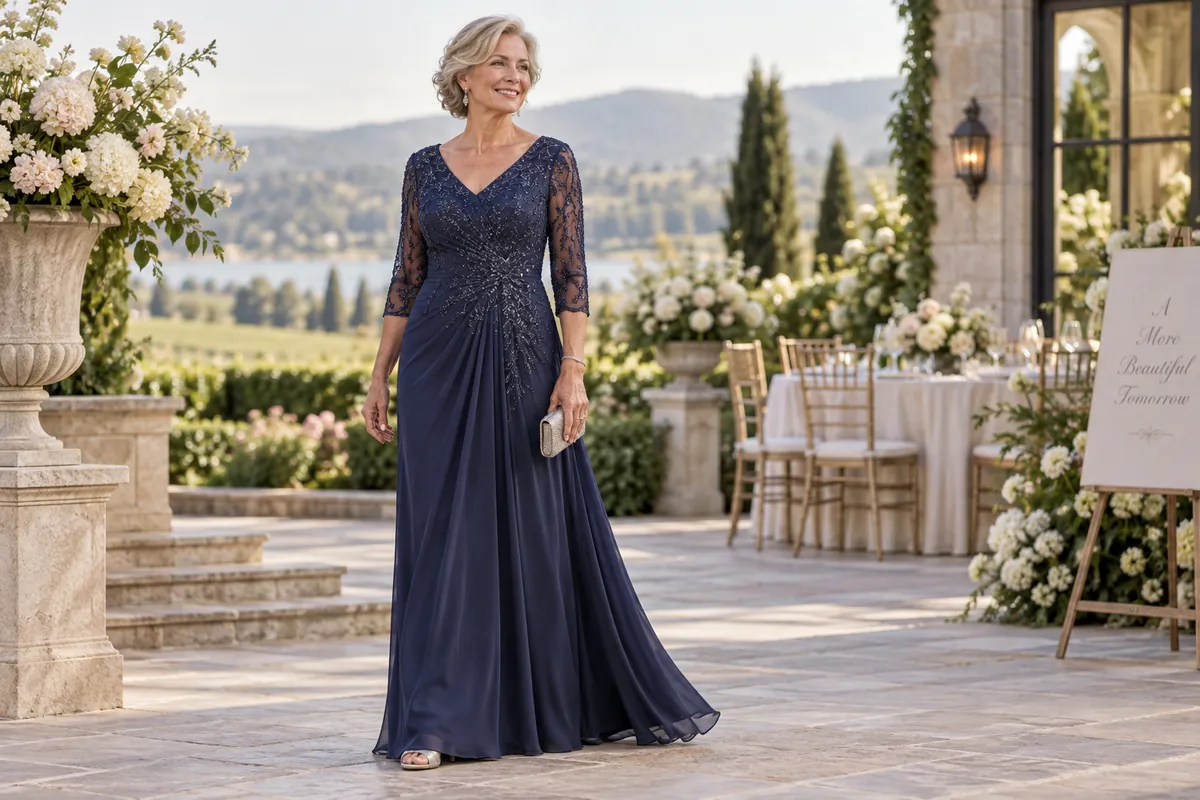
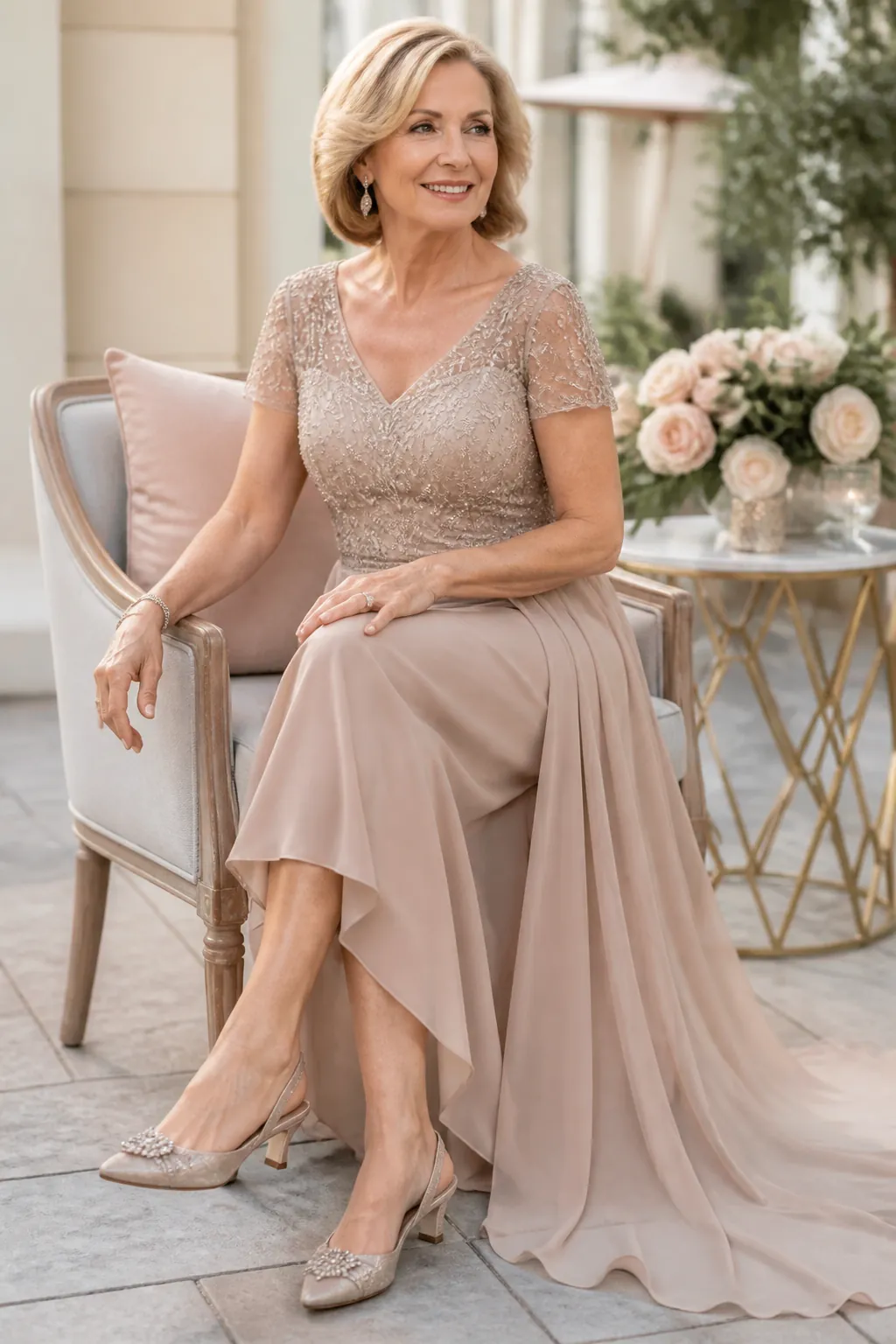
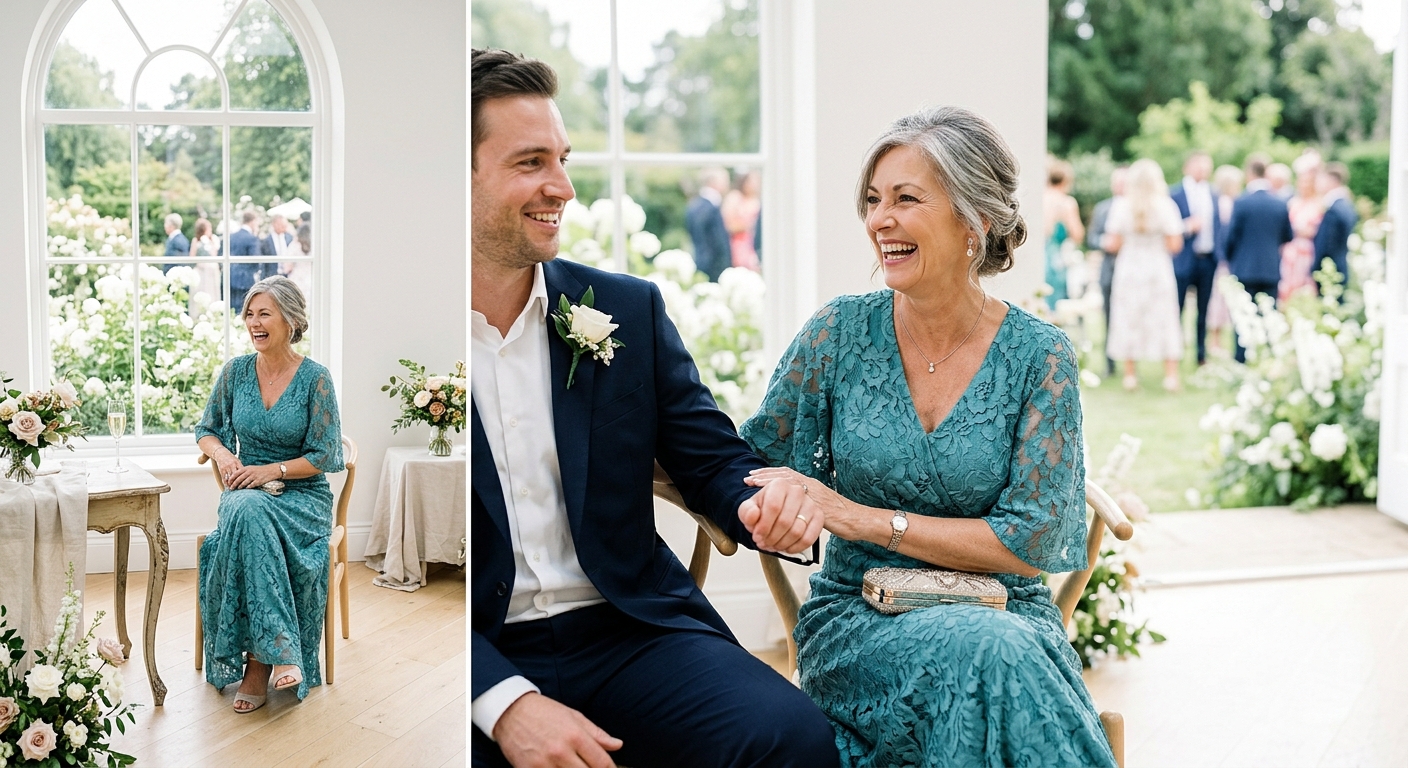
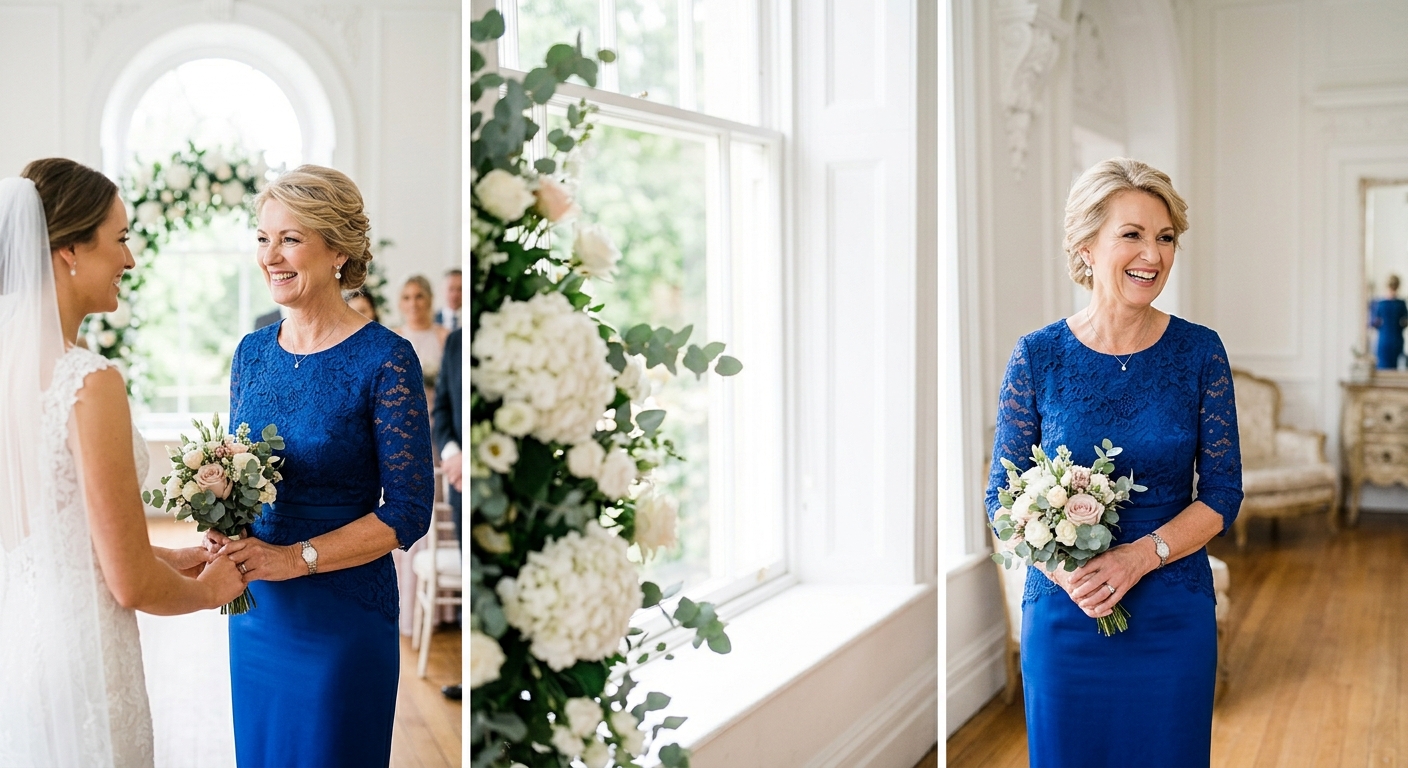
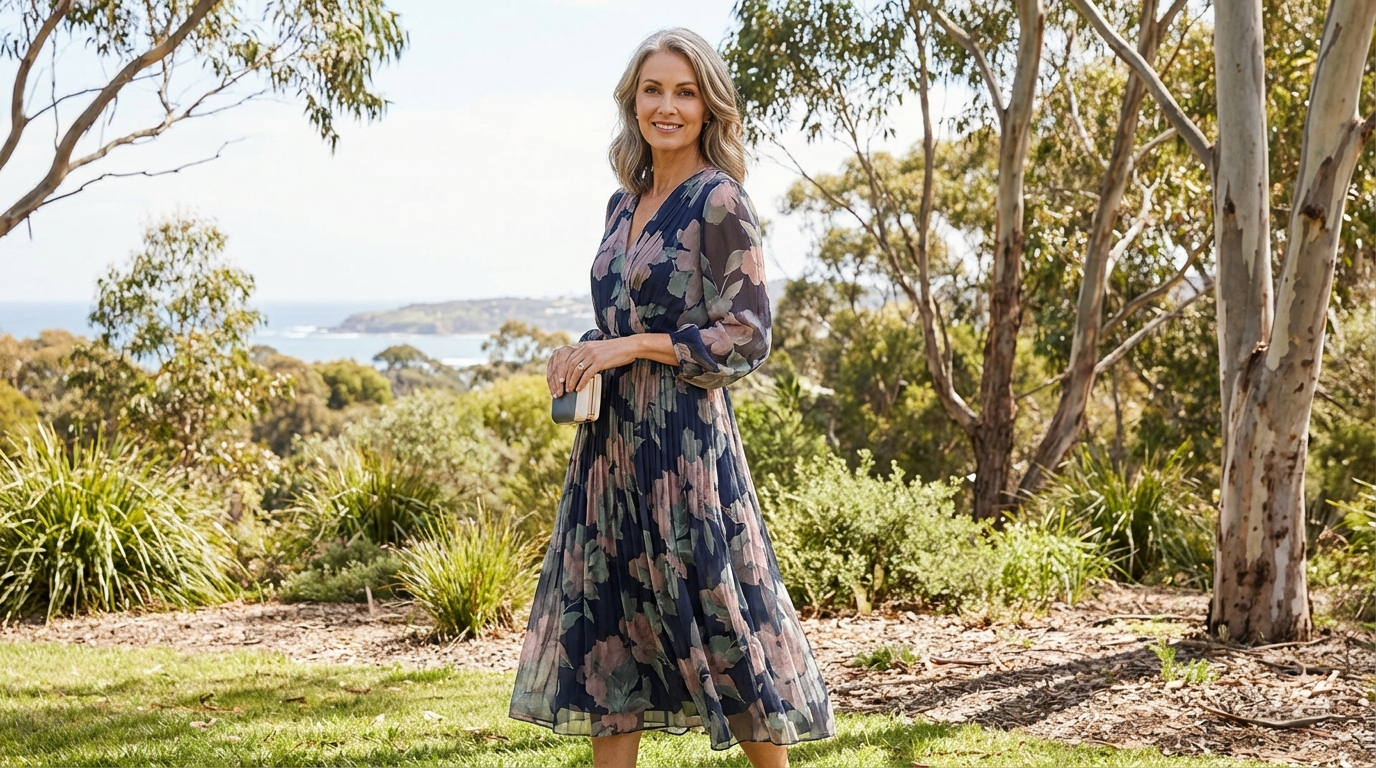
How Early Should the Mother of the Bride Buy Her Dress?
Why timing matters


Timing is one of the easiest ways to reduce stress when choosing a Mother of the Bride dress. The earlier you begin, the more options you have, the more time there is for alterations, and the less likely you are to settle for something that only works “well enough.” A formal dress should feel considered, not rushed.
For many Australian weddings, timing matters even more because the season, venue, and weather can affect the style you choose. A summer wedding may call for lighter fabrics and colours, while a winter event may suit something richer and more structured. Starting early gives you the space to think through all of those details properly.
Buying early also helps you avoid the emotional pressure that can come from leaving decisions too late. The Mother of the Bride role is important, and the dress should feel like a confident choice. When you rush, you are more likely to end up with something that needs compromise. When you plan, you can choose something that truly suits the day.
If you are just beginning the search, browse the homepage, then move into the collections and blog to compare styles and timelines together. The about us page can also help you understand the brand’s style direction before you narrow down the final dress.
Style advice from Brides often points to the same idea: the best mother-of-the-bride shopping journey starts early enough to leave room for thoughtful decisions.
When to start looking
A sensible time to start looking is several months before the wedding, ideally as soon as the date, venue, and formality are known. You do not need to buy immediately, but you do want enough time to compare silhouettes, check seasonal options, and decide whether you prefer sleeves, a longer length, a softer shape, or something more formal.
Early searching lets you think properly about the wedding setting. A beach wedding, a garden event, a city hotel reception, and a winter ballroom all reward different fabrics and colours. If you begin looking too late, you may end up choosing based on what is available rather than what is actually most flattering or appropriate.
It also helps to think about your own calendar. If you know you have work, travel, family commitments, or other events coming up, factor those into the decision-making process. A calmer shopping window means less pressure on the day you try things on.
When you start looking early, you can also keep an eye on the wider wedding style. That matters because the dress should work with the overall feel of the event rather than fighting it. If you wait too long, you may miss the chance to coordinate properly with the bride’s vision or the season’s best colours.
If you want to compare styles while you are still in the browsing stage, the collections page is the most useful place to see shapes and colours side by side. The blog can also help with inspiration while you are still deciding what to prioritise.
For wider planning context, Harper’s BAZAAR and Vogue often show that early planning leads to more polished results because you are making decisions from a place of calm rather than urgency.
When to buy
Once you have narrowed down the style, it is best to buy with enough time left for any adjustments. For many mothers, that means purchasing well before the wedding rather than leaving it to the final few weeks. Buying early does not just reduce stress — it also gives you the chance to try the dress properly and make sure it feels right in real life.
The ideal buying time depends on how confident you are about your choice and how much work the dress may need. If you are choosing a simple silhouette in a reliable size, the process may be straightforward. If you expect tailoring, sleeves, or a longer hem to be involved, give yourself extra time. The more formal or specific the outfit, the more useful an early purchase becomes.
Another reason to buy early is availability. Some colours, lengths, or sizes may be harder to find later in the season. Buying sooner can protect you from missing out on the best option. It also means you are less likely to make a rushed compromise if your first choice sells through.
There is also peace of mind in knowing the dress is sorted. Once you have it in hand, you can focus on shoes, accessories, and any final styling choices without worrying about the main outfit. That kind of clarity is very helpful in the run-up to a wedding.
If you are ready to move from browsing to buying, the homepage and collections make it easier to compare options and move from inspiration to action. The about us page can also help you keep the style aligned with the brand’s formalwear approach.
Advice from Brides regularly highlights the value of buying early enough to avoid the stress of last-minute compromise.
Allow for alterations
Alterations are one of the biggest reasons to buy early. Even a dress that looks perfect online may need a few adjustments once it is on your body. Hems, sleeves, bust fit, and waist shaping can all benefit from a tailor’s touch. If you wait too long, you may not have time to make those changes comfortably.
Some dresses need only very small adjustments; others need more involved tailoring. Either way, you want enough runway to test the fit, book the alterations, and try the dress again before the wedding. That extra time can make the difference between “nice dress” and “perfect outfit.”
Tailoring is especially useful for formal Mother of the Bride dresses because the outfit needs to feel polished from every angle. A dress that is slightly too long or a little loose in the wrong place may not look dramatic in a changing room, but it can be very obvious in photos. Good alterations are what make the dress feel intentional.
Buying early also gives you room for body changes, which are completely normal. If you know you may want a little time before finalising the fit, early purchase makes the process much easier. It is always better to have the option to fine-tune than to be stuck with a deadline and no flexibility.
If you want to compare dresses that are likely to work well with tailoring, the collections are useful for spotting simpler or more structured options. You can also revisit the blog for extra style guidance before you commit.
Our own timeline is the clearest guide: made-to-order gowns take 8 to 16 weeks to produce depending on the designer, so we recommend ordering at least 16 weeks before the wedding and allowing a further two weeks between delivery and the day for alterations.
How to plan ahead
Planning ahead starts with the wedding details. As soon as you know the date, venue, and level of formality, you can start thinking about shape, colour, and fabric. Once those things are clear, the rest becomes much easier. It also helps to ask the bride if there are any colour preferences or styling boundaries you should be aware of.
You do not need to make the whole decision in one day. In fact, it is often better not to. Give yourself time to narrow the field, then try on a few strong contenders. When you shop with a plan, you can pay attention to what feels right instead of reacting to whatever happens to be available.
Planning ahead also gives you more options for seasonally appropriate styling. Summer, winter, beach, garden, and black-tie events all suggest different directions. If you are not rushing, you can choose a dress that suits the venue and the weather rather than forcing something to work.
It is also helpful to think about the rest of your outfit at the same time. Shoes, bag, and wrap can all be chosen in a way that supports the dress rather than competing with it. When the whole outfit is planned together, the result feels more polished and less pieced together.
If you need to keep checking the look while planning, the homepage, blog, and about us pages are good reference points. They help you keep the outfit aligned with the brand’s formalwear style and with the tone of the wedding.
Style inspiration from Vogue and Brides often shows how planning ahead gives you a much stronger final result because you are not forced into a compromise at the last minute.
Shopping tips for a smooth process
A smooth shopping process starts with knowing what matters most to you. If fit is your priority, look for silhouettes that support your body well. If colour is the biggest concern, narrow the palette first. If the venue is the main challenge, start with fabric and length. The clearer you are, the easier the shopping becomes.
It can also help to keep an open mind about styles you may not have originally considered. Sometimes a dress you did not expect turns out to be the most flattering or the most comfortable. If you begin early, you have the luxury of exploring without pressure.
Once you have narrowed the choice, check the practical details carefully. Is there enough time for delivery? Will alterations be needed? Does the fabric suit the season? Does the dress feel appropriate for the wedding’s level of formality? Those are the kinds of questions that help you avoid stress later.
Budget is easier to manage when you shop early because you can compare options rather than rushing into the first thing that works. Buying a dress that you truly like also means you are less likely to second-guess the decision later. That is a kind of comfort in itself.
The brand’s collections and blog are useful if you want to keep comparing styles while you plan. And if you want to revisit the overall brand feel, the homepage and about us pages are a simple way to reset your direction.
For a wider view of wedding wardrobe planning, Martha Stewart Weddings emphasises that preparation and timing are what make formalwear feel effortless on the day.
Frequently asked questions
How early should the Mother of the Bride buy her dress?
It is best to start looking early and buy with enough time left for alterations and styling. The earlier you begin, the more choice you have and the less likely you are to feel rushed.
Why is buying early important?
Buying early gives you more options, more time for tailoring, and less stress. It also helps you choose a dress that fits the wedding and your body properly instead of settling too quickly.
How much time should I allow for alterations?
Give yourself enough time to try the dress, book alterations, and check the fit again before the wedding. The more formal the dress, the more useful a generous fitting window becomes.
What happens if I leave it too late?
If you leave it late, you may have fewer choices, less time for tailoring, and more pressure to compromise on style or fit. Early planning is the easiest way to avoid that problem.