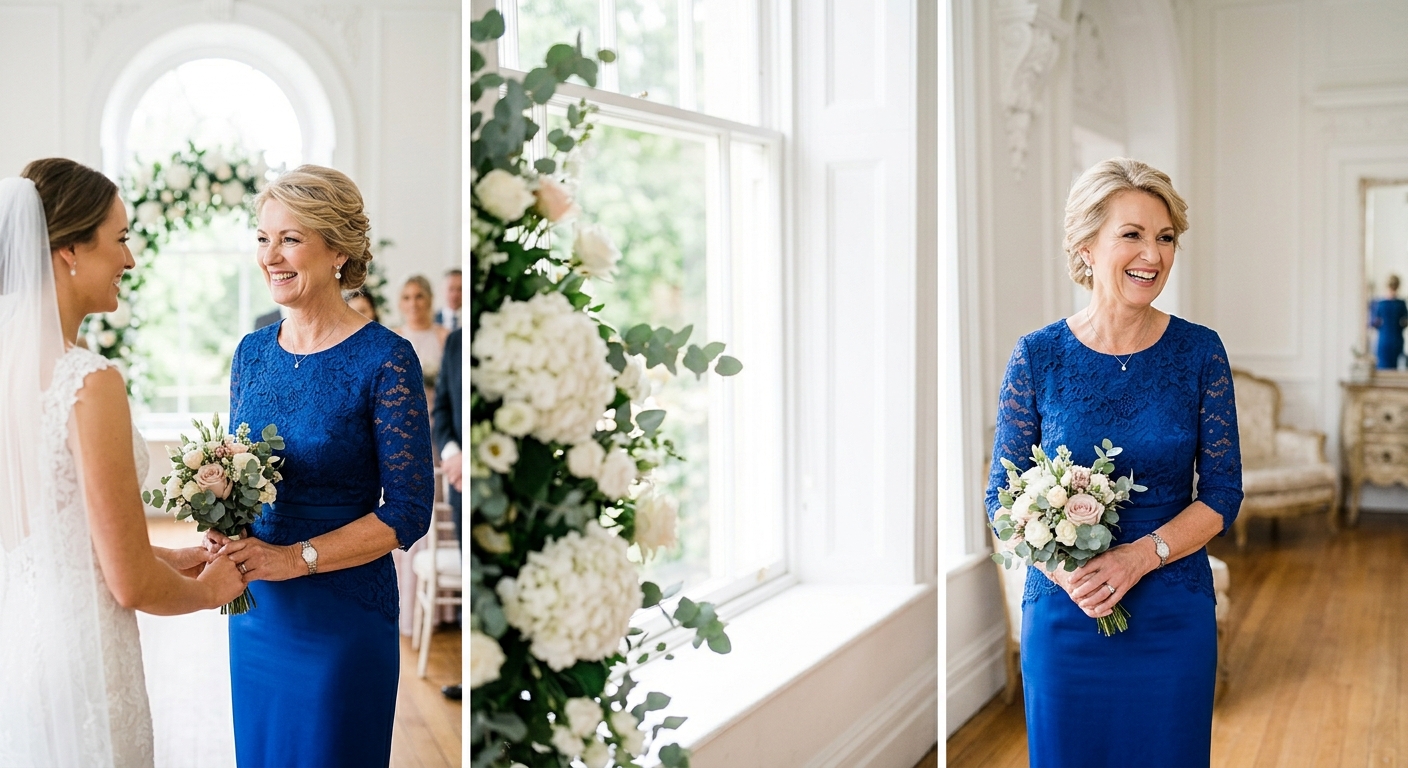
Best Dresses for Mums Who Want Sleeves at a Wedding
Why sleeves work
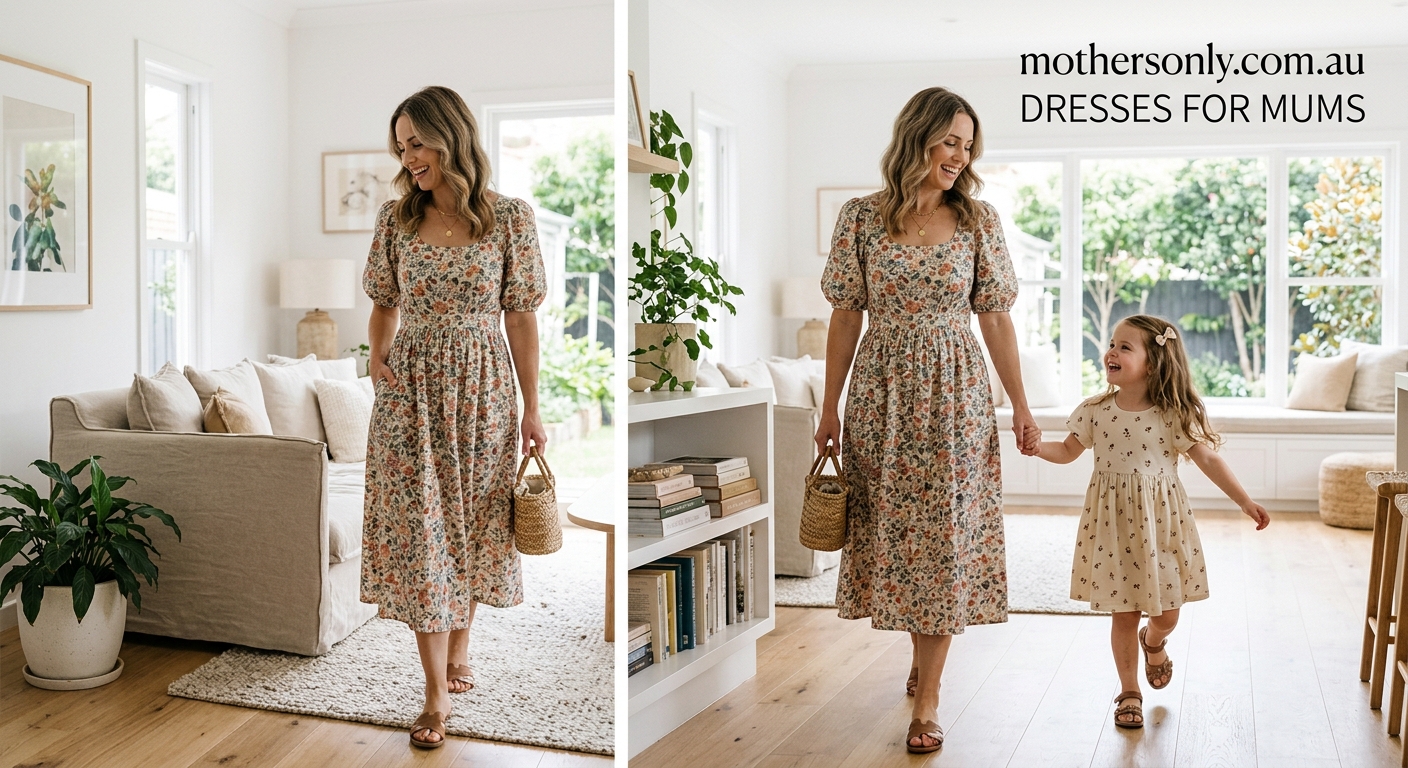

Sleeves are one of the most useful design features in wedding guest and mother-of-the-bride styling because they add coverage without automatically making a dress feel conservative. For many women, sleeves offer exactly the kind of balance they want: a bit more structure, a little more confidence, and a more polished overall look. The right sleeve can feel modern, flattering, and very elegant.
Sleeves are also practical. They can help with sun coverage at daytime weddings, warmth at evening events, and a sense of comfort if you prefer not to wear a sleeveless dress. That makes them a smart choice for many Australian weddings, where the weather and venue can vary widely from season to season.
Another advantage is that sleeves can change the entire tone of a dress. A simple shape with a well-cut sleeve often feels more refined than a sleeveless dress with extra detail. The sleeve itself becomes part of the design rather than an add-on, which is why it can feel so effective in formalwear.
If you are starting the search, browse the homepage, then move into the collections and blog to compare styles and sleeve shapes side by side. The about us page is also useful if you want to understand the brand’s style direction before choosing the final dress.
Style advice from Brides often points to the same principle: the best formal dress is the one that balances coverage, comfort, and elegance.
Best sleeve styles
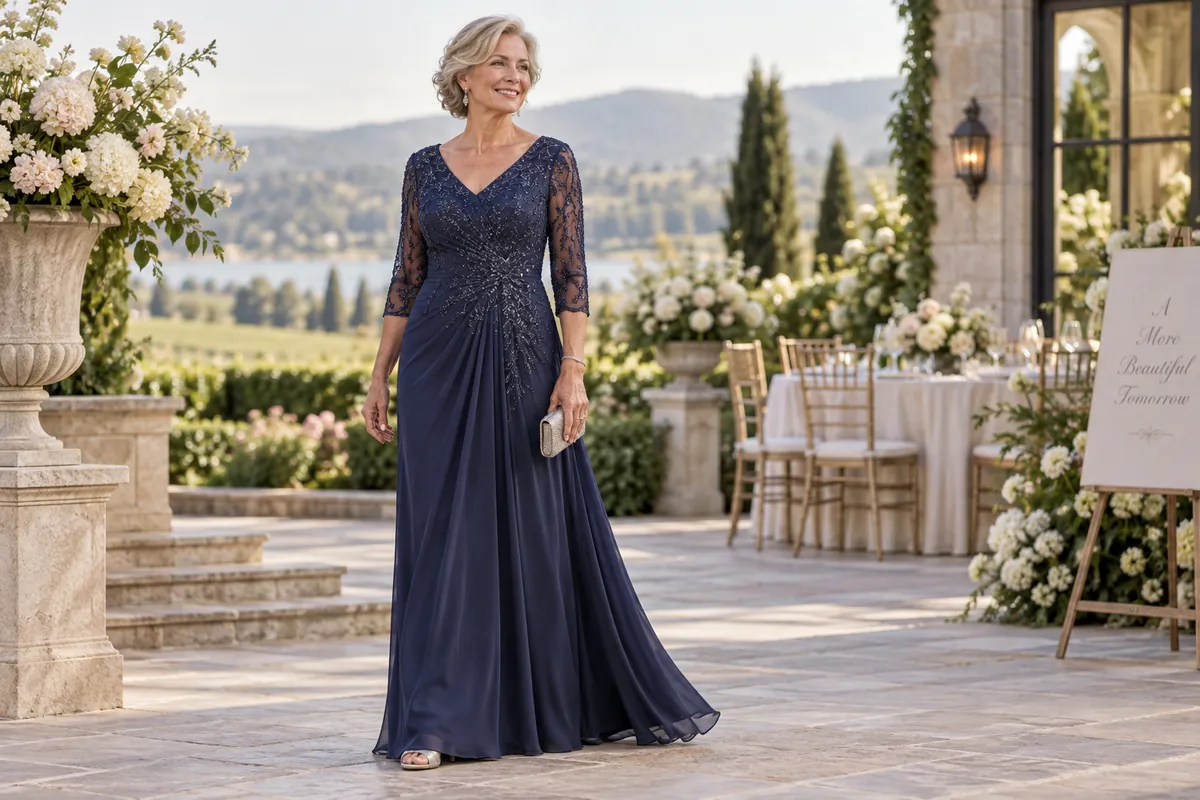
The best sleeve style depends on the wedding formality, the season, and the kind of coverage you want. Long sleeves can look beautiful for formal or evening weddings because they create a clean line and feel especially polished. When the fabric is light and the fit is thoughtful, long sleeves can feel very contemporary rather than heavy.
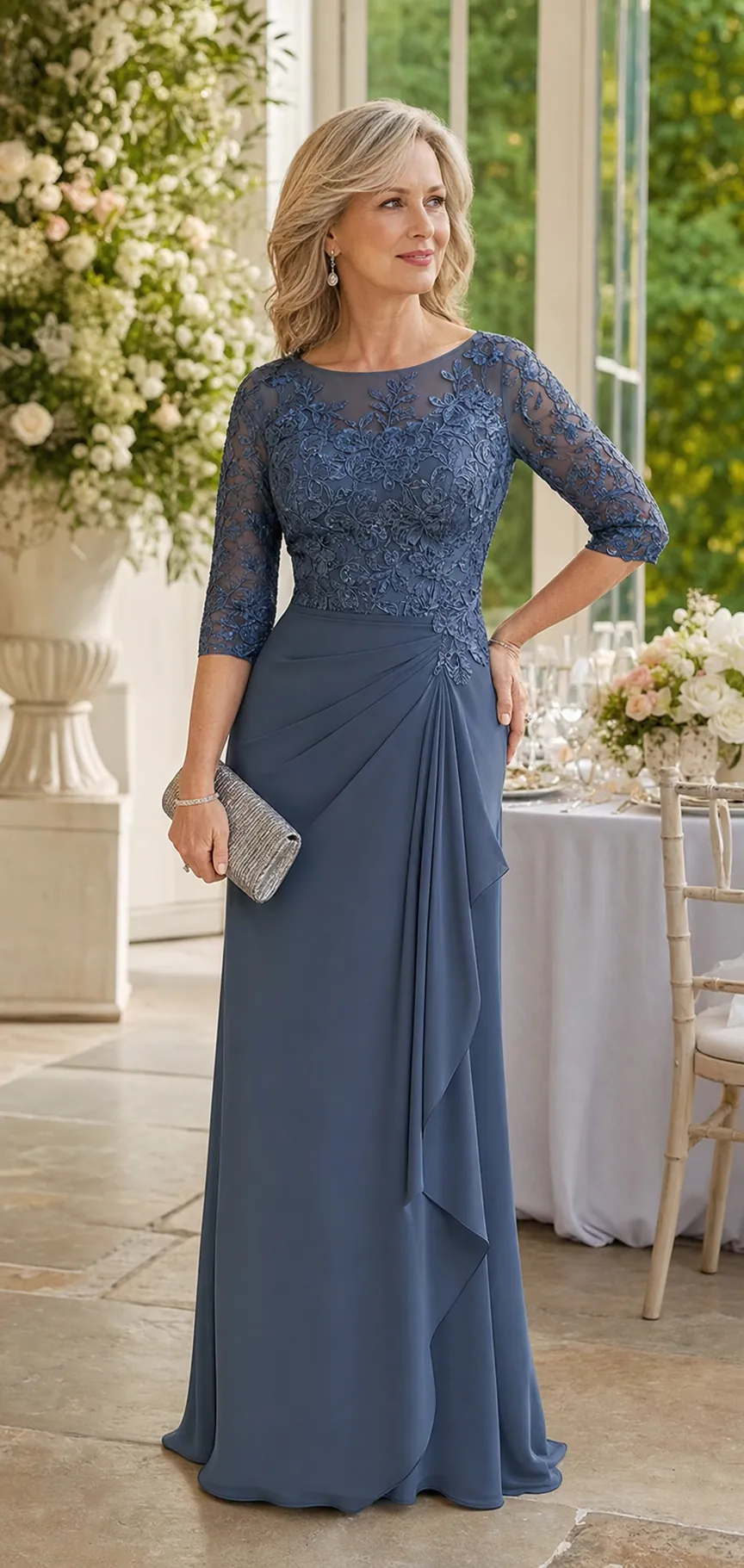
Three-quarter sleeves are another strong option because they offer coverage while still feeling easy to wear. They often strike the perfect balance between polish and comfort, which is why they suit so many mother-of-the-bride looks. This sleeve length also tends to work well across different body shapes because it frames the arm without overwhelming the dress.
Flutter sleeves and soft cap sleeves are useful if you want a lighter feel. They can add a gentle, romantic touch without making the dress look too covered. These sleeves are often well suited to daytime weddings, garden venues, or warmer seasons where you want a little more airflow.
Sheer sleeves can be especially beautiful if you want elegance with a lighter finish. They often look modern and formal at the same time because they create coverage without visual weight. The key is to keep the sleeve shape simple so it supports the dress rather than becoming the whole story.
If you want to compare sleeve styles in context, the collections page is the best place to start. The blog can also help you think through which sleeve shapes suit the occasion best.
For wider inspiration, Harper’s BAZAAR and Vogue often show how sleeves can make formalwear feel elevated and current rather than dated.
Best dress shapes
The dress shape matters just as much as the sleeve. The most flattering combinations usually come from a sleeve that supports a silhouette rather than fighting it. A-line dresses are a strong place to start because they create gentle shape through the waist and let the skirt move naturally. This gives the sleeve room to shine without making the whole outfit feel heavy.
Wrap-inspired dresses can also work beautifully with sleeves because they create definition while staying comfortable. They often feel flattering and easy to wear, which is important if you want the dress to work all day. If the sleeve is the standout feature, a wrap silhouette can help keep the rest of the outfit balanced.
Column dresses and softly fitted gowns can also look wonderful with sleeves, especially when you want a more streamlined effect. In that case, the sleeve helps create the formal impression while the dress line keeps everything looking clean and modern. This combination can be very elegant for city weddings or evening events.
Fit-and-flare styles are another good option, particularly if you want a dress that defines the waist and then moves gently through the skirt. Sleeves can keep the upper part of the outfit feeling polished while the lower half stays soft and graceful. The overall effect is often feminine and formal without being too fussy.
If you are comparing different silhouettes, the collections and homepage are the easiest places to look at shape and sleeve together. The about us page can also help you keep the look aligned with the brand’s formalwear style.
Style advice from Brides and Martha Stewart Weddings often shows that the most successful formal dresses are the ones where shape and sleeve feel balanced.
Choose by season and venue
Season matters when choosing sleeves because the weight of the sleeve should suit the weather. Long sleeves can be perfect for winter weddings, evening events, or more formal settings where a polished finish is important. In warmer weather, lighter sleeve shapes such as cap sleeves, flutter sleeves, or sheer sleeves are often more comfortable.
Venue is just as important. A church or city venue may suit a more structured sleeve, while a garden or beach wedding may need something softer and lighter. A sleeve that feels right in a ballroom may not be the best choice for a relaxed outdoor setting. The venue should guide the level of formality and the amount of coverage.
Australian weather can vary a lot between regions, so it is worth thinking about the actual location of the wedding rather than assuming one season fits all. A northern coastal wedding may still feel warm even in winter, while a southern wedding may need extra coverage even in autumn. That is why sleeves are so useful: they can be adapted to suit the conditions.
Colder-weather weddings often benefit from sleeves because they help the outfit feel finished without requiring a separate jacket. In warmer weather, sleeves should feel breathable and light so they do not trap heat. Either way, the best sleeve is the one that feels elegant and practical at the same time.
If you want to narrow down options by season, the blog and collections are useful resources for comparing looks that suit different kinds of weddings.
Wedding style guidance from Vogue often shows how the right sleeve can make a dress feel appropriate for the season without sacrificing style.
Styling details that help
Once you have the right sleeve shape, the rest of the styling should support it. Jewellery should be chosen carefully so it does not compete with the sleeve or neckline. If the dress already has a detailed sleeve, simple jewellery often works best. If the dress is understated, a subtle earring or bracelet can add the right amount of finish.
Shoes also matter because they affect the overall formality of the look. A dress with sleeves often feels more polished, so the shoe should match that energy. A refined heel or elegant flat can complete the outfit while keeping it comfortable enough for the full day. The main thing is to keep the styling consistent from top to toe.
Hair and makeup can help the sleeve feel intentional too. A polished hairstyle or soft updo often works well because it frames the upper half of the dress without competing with the sleeve. The goal is to create a calm, elegant overall impression.
It is also useful to think about the dress from all angles. Sleeves can change the balance of the whole outfit, especially in photos, so it helps to see the full look together before the wedding. That way, any small adjustments can be made early.
If you want to keep comparing styles while you refine the look, the homepage, blog, and about us are useful for staying aligned with the brand’s style and the wedding’s tone.
For more context, Harper’s BAZAAR and Brides often show that restrained styling makes sleeve dresses feel much more sophisticated.
What to avoid
The main thing to avoid is a sleeve that feels heavy or restrictive. If the sleeve makes the dress look stiff or uncomfortable, it is probably not the right choice. Sleeves should add elegance and ease, not make the outfit feel dated or difficult to wear.
You will also want to avoid too much visual clutter. A detailed sleeve, a highly embellished neckline, and a busy skirt can quickly feel overwhelming. The more detail the sleeve has, the simpler the rest of the dress should usually be.
Another common mistake is choosing a sleeve that does not suit the season or venue. A thick long sleeve may be perfect for winter but far too warm for a summer outdoor wedding. Likewise, a very light sleeve may not feel formal enough for a black-tie event. The sleeve should always match the occasion.
It is also worth avoiding accessories that fight with the sleeve shape. Large jewellery, bulky wraps, or shoes that feel too casual can throw off the overall look. The outfit should feel cohesive, and the sleeve should be part of that story rather than an isolated feature.
If you are unsure what works, use the collections page to compare sleeve shapes and formal levels side by side. The blog is also helpful for resetting your direction and keeping the styling calm.
Wedding style references from Vogue and Martha Stewart Weddings often reinforce the same lesson: the best sleeve is the one that looks elegant without trying too hard.
Frequently asked questions
What are the best dresses for mums who want sleeves at a wedding?
The best dresses are the ones that give you a sleeve shape you love without feeling heavy or outdated. Look for a flattering silhouette, comfortable fabric, and a sleeve that suits the wedding formality and season.
Are sleeves appropriate for summer weddings?
Yes, as long as the sleeve is light enough for the weather. Flutter sleeves, cap sleeves, and sheer sleeves can be lovely in warmer months.
Do sleeves make a dress look more formal?
Often they do, especially when they are well cut and made from the right fabric. Sleeves can add a polished, refined feel that works beautifully for formal weddings.
What sleeve length is most flattering?
The most flattering length depends on your comfort and the wedding setting. Three-quarter sleeves are often a very versatile option, while long sleeves and light short sleeves can also work beautifully depending on the dress design.