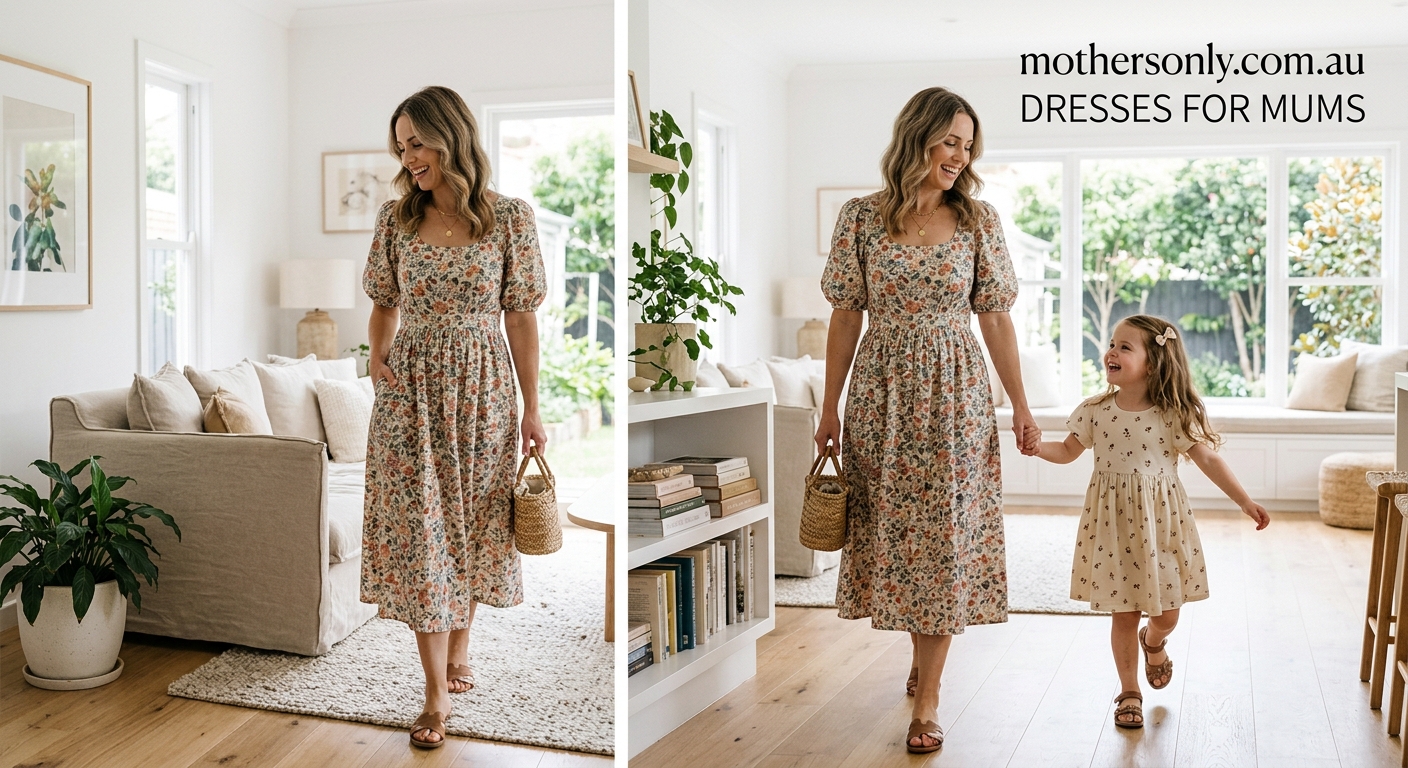
Mother of the Bride Style Mistakes to Avoid Before the Big Day
Why mistakes happen
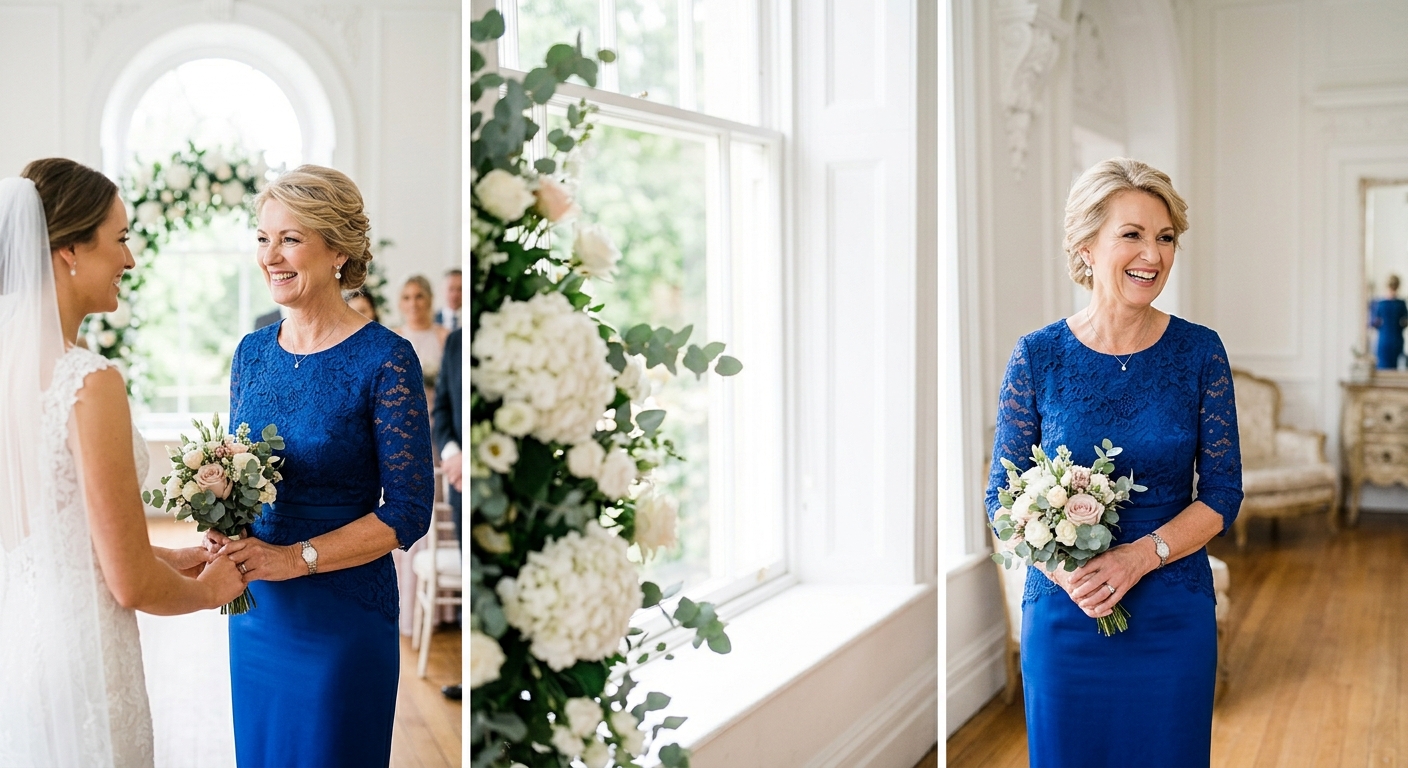
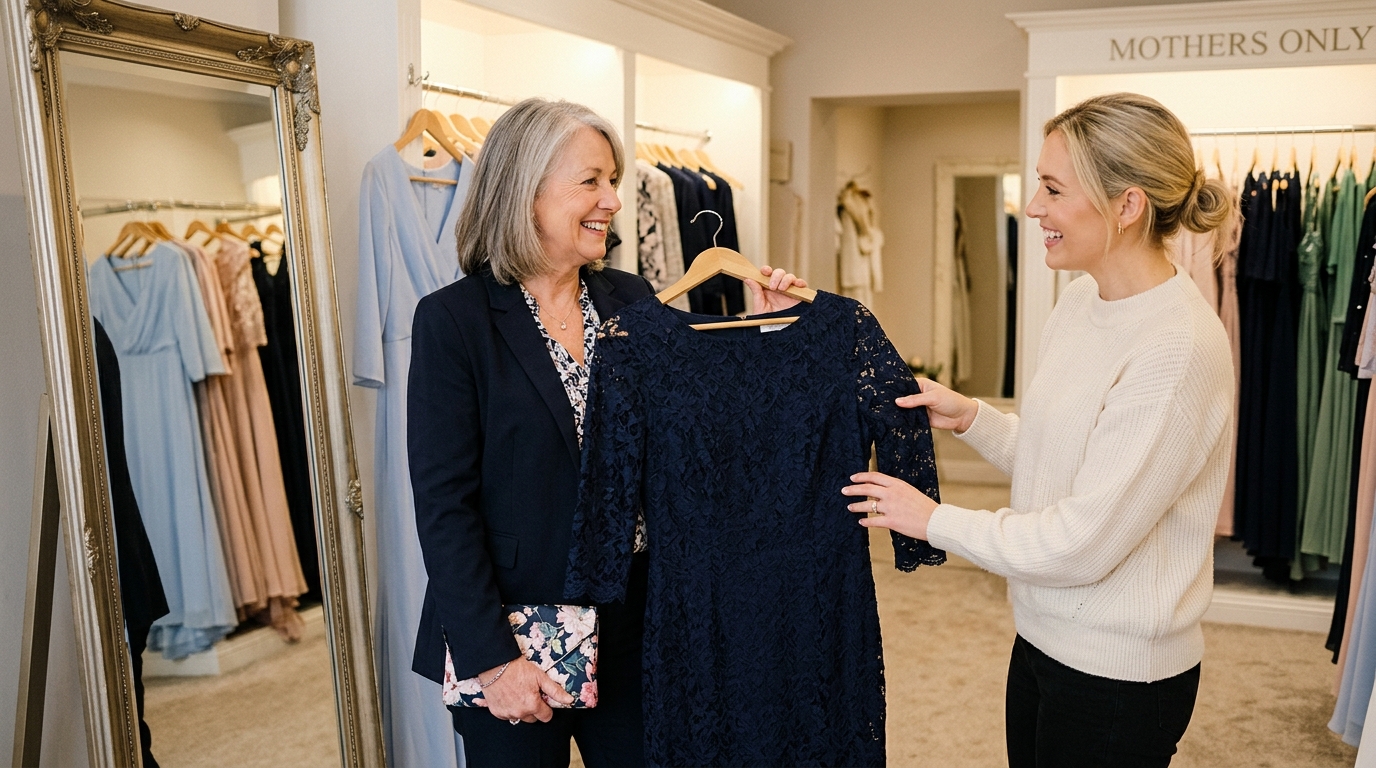
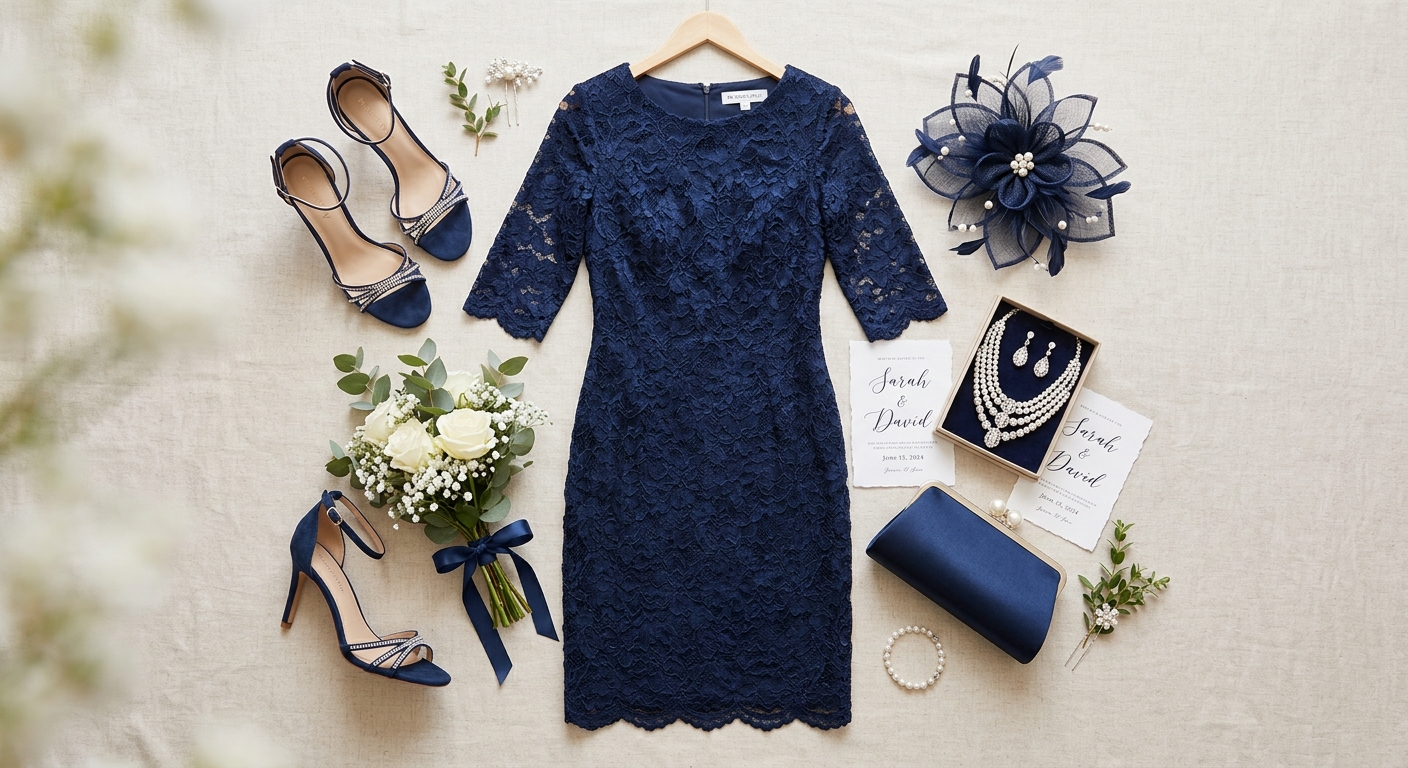
Mother of the Bride style mistakes usually happen because the outfit decision gets made under pressure. A wedding has a lot of moving pieces, and it is easy to focus on everyone else first. But the Mother of the Bride also needs an outfit that feels polished, comfortable, and appropriate for the day. When the decision is rushed, it is much easier to end up with something that is only partly right.
Another reason mistakes happen is that people often think the outfit should either blend in completely or stand out a lot. Neither of those extremes usually works well. The best mother-of-the-bride outfit sits in the middle: elegant, considered, and appropriate to the tone of the wedding. It should be noticed as beautifully dressed, not as the centre of attention.
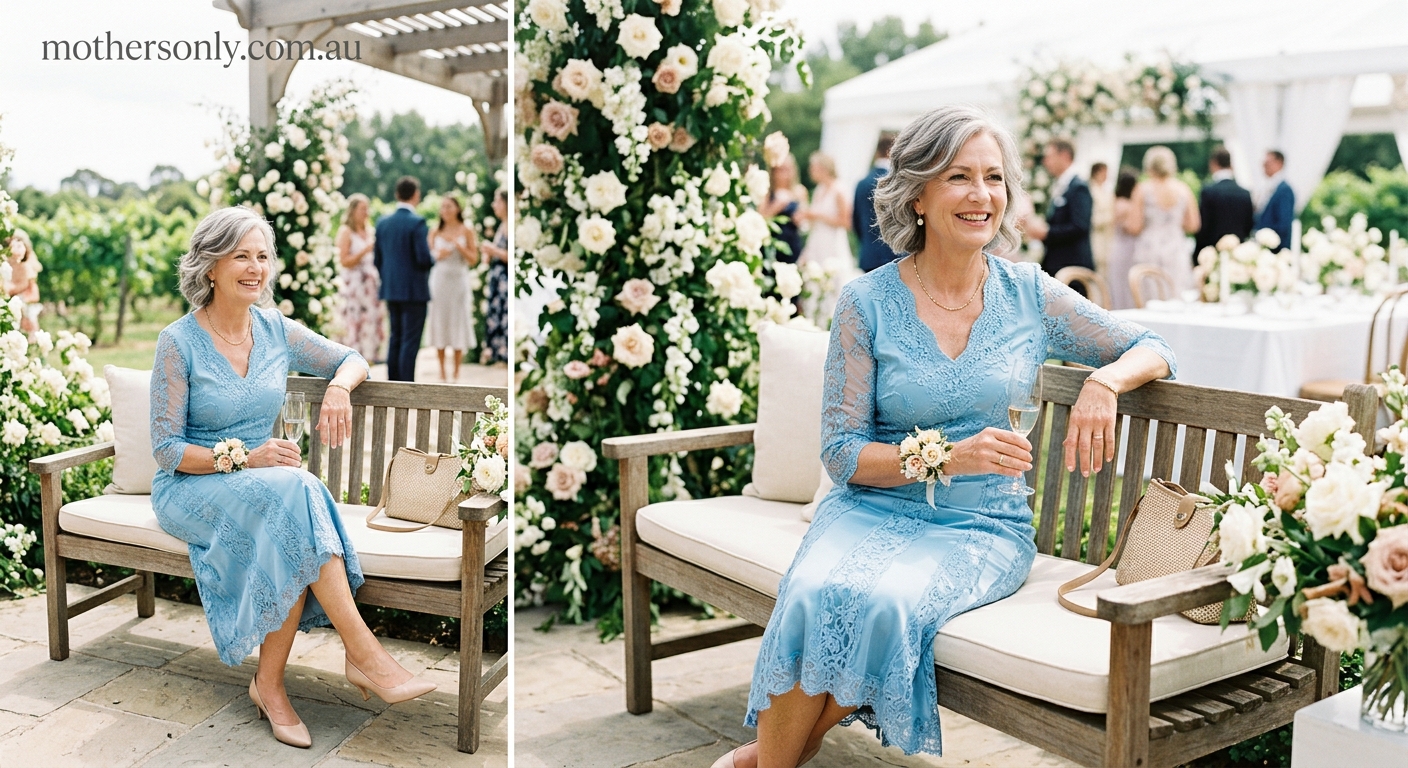
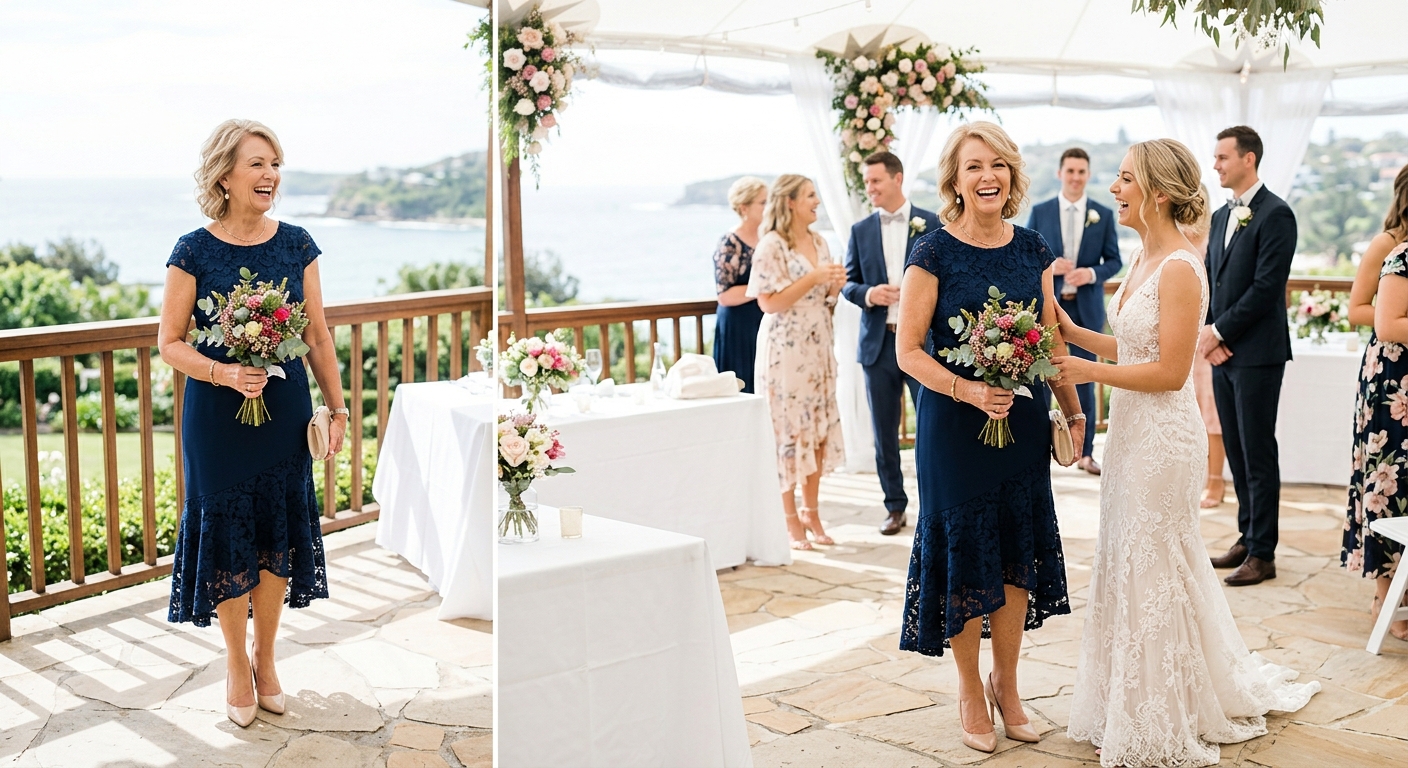
Australian weddings can make the decision even more nuanced because the venue and weather have such a big effect on what works. A beach ceremony, garden reception, winery lunch, or black-tie evening all reward different styling choices. If the venue is not part of the decision, the outfit may feel out of place even if it is lovely on its own.
If you are starting the search, browse the homepage, then move into the collections and blog to compare styles and avoid common missteps before buying. The about us page is also useful if you want to understand the brand’s style direction before narrowing down the final dress.
Style advice from Brides and The Knot often points to the same principle: the best formal outfit is the one that feels polished, supportive, and suited to the event.
Timing and fit
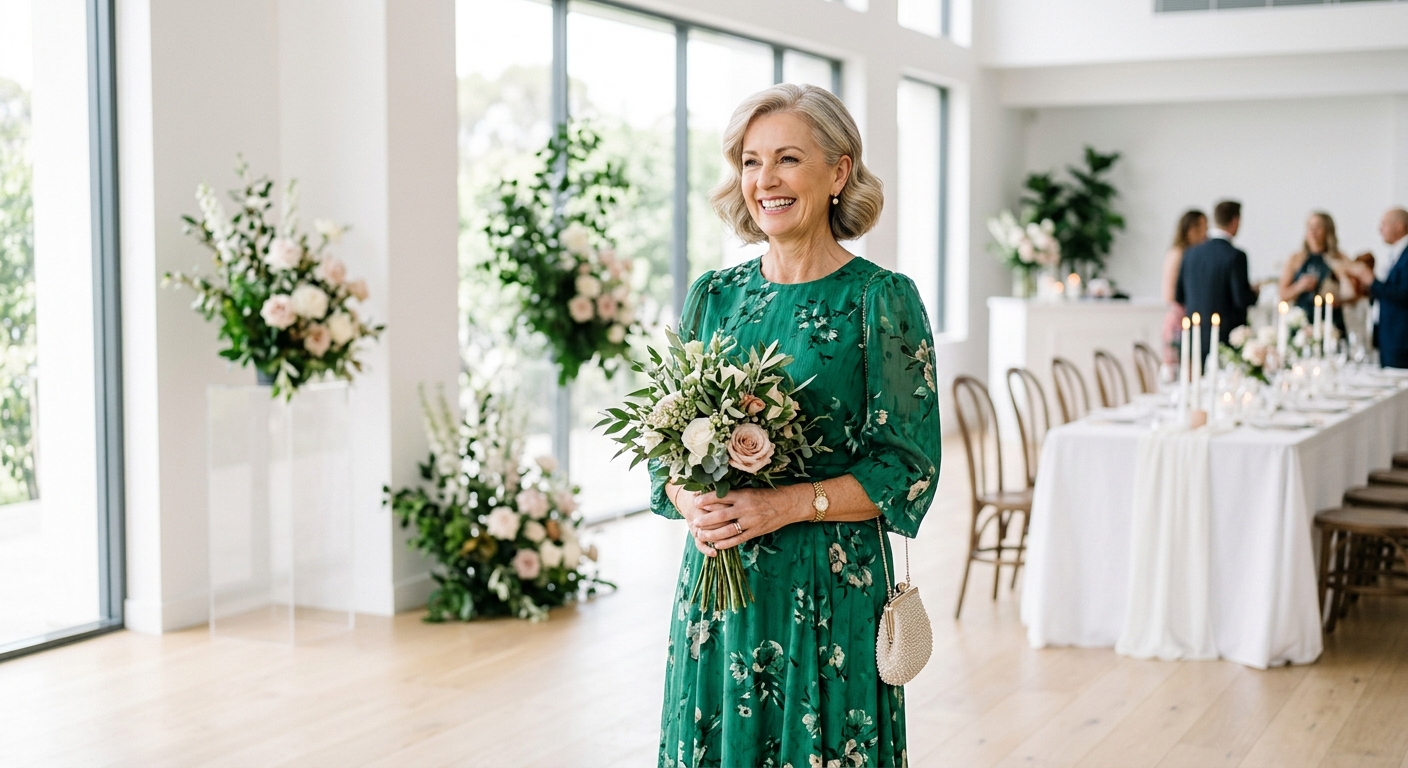
One of the biggest style mistakes is waiting too long to choose the dress. When you leave the decision too late, you often end up settling for whatever is available rather than what actually suits the wedding. Early shopping gives you room to compare styles, think through the venue, and allow time for alterations. That alone prevents a lot of regret.
Fit is just as important. A beautiful dress can still feel wrong if the shoulders pull, the waist sits awkwardly, or the hem is off. A poorly fitting dress can look more casual or less refined than it should, even if the fabric is lovely. The best formalwear is always the one that fits the body properly and lets the wearer move naturally.
Another common timing mistake is not leaving space for tailoring. Even when a dress is close to perfect, a small adjustment can make it much more comfortable and much more flattering. If you don’t leave enough time, you may have to wear the dress as-is instead of fine-tuning it.
Body changes are also normal, so buying with flexibility in mind is smart. A dress should feel good now and still feel good when the wedding day arrives. The more carefully you plan the purchase, the more likely the final outfit will feel calm and confident.
If you want to avoid rushing the process, use the collections page to narrow the styles early and the blog for extra direction while you plan. The homepage is also a useful place to reset if you need a fresh look at the range.
Wedding planning guidance from Harper’s BAZAAR and Martha Stewart Weddings often shows that the most elegant results come from giving yourself enough time to choose thoughtfully.
Colour and formality
Choosing the wrong colour is another common Mother of the Bride style mistake. The colour should suit the wedding palette, the season, the venue, and your own colouring. A shade that feels too bright, too dark, or too close to the bridal look can make the outfit feel less coordinated than it should.
Formality matters just as much. A dress can be beautiful and still be the wrong level of dressy for the event. A black-tie wedding usually needs something more elevated, while a relaxed outdoor wedding may feel better with a lighter or softer look. If the dress is too casual, it can feel out of step with the wedding. If it is too dramatic, it can feel like it is competing with the occasion.
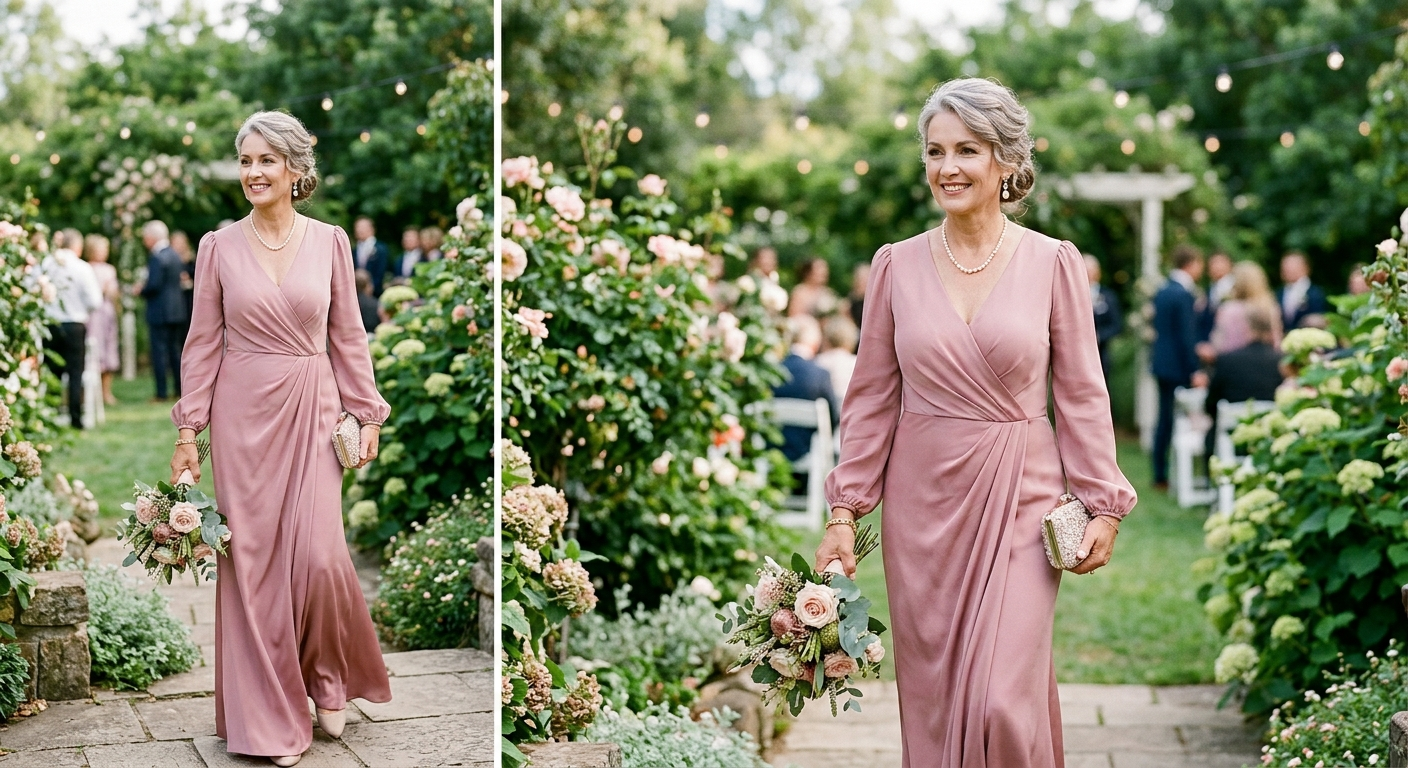
In Australian weddings, colour should also work with the light. A shade that looks refined in a shop may look very different in bright outdoor sunshine or evening reception lighting. That is why a colour test in context is so useful. The right dress should look good in the real wedding environment, not just in the fitting room.
It is also worth thinking about what the family has already decided. If the bride has a particular colour story in mind, your outfit should generally complement that rather than fight it. The goal is harmony, not duplication and not contrast for the sake of it.
To compare colour families and formal levels more clearly, the collections and about us pages can help you keep the choice aligned with the wedding tone. The homepage can also help you look at the overall style direction again if you feel unsure.
For wider styling context, Brides and Vogue often show how the right colour and level of formality can make a mother-of-the-bride outfit feel both elegant and intentional.
Accessories and comfort
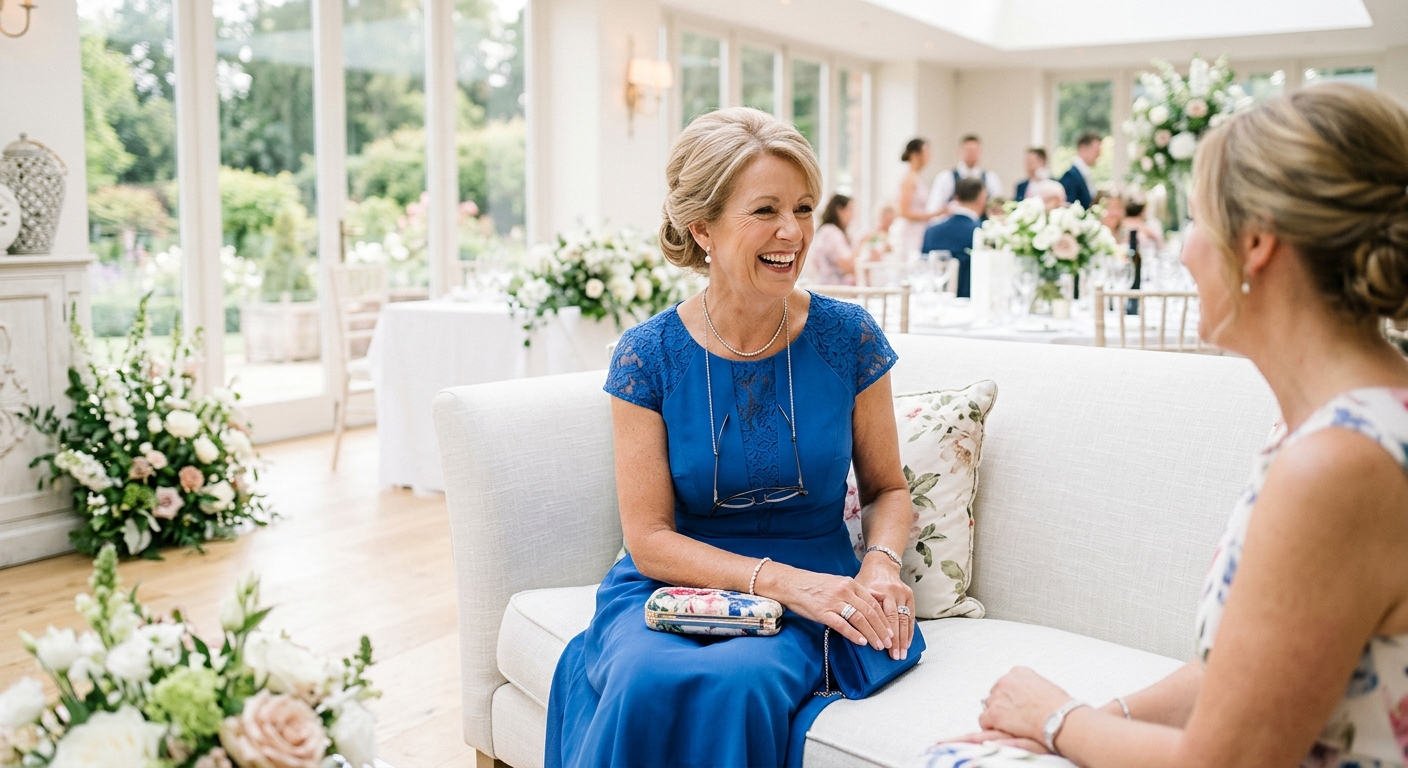
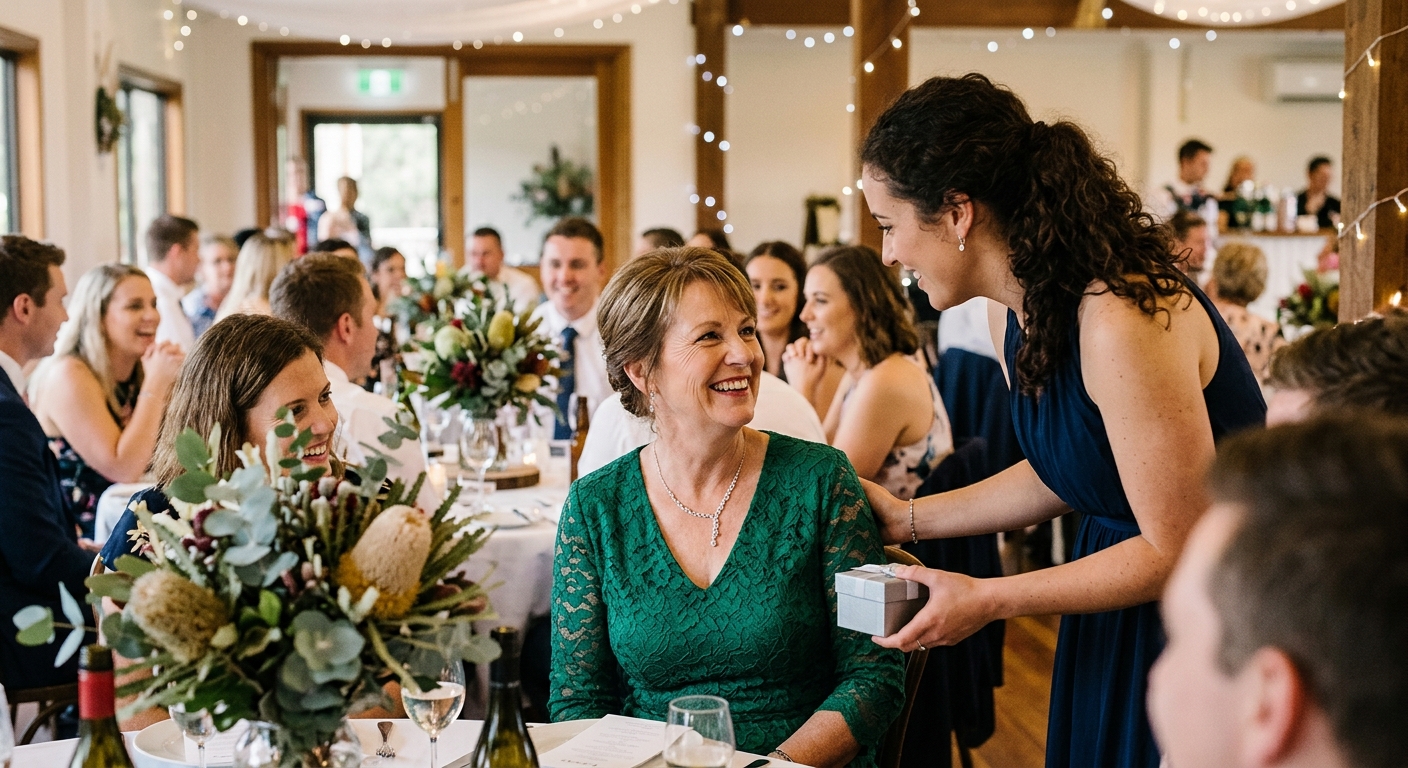
Accessories are another place where mistakes happen quickly. Shoes that are too high, a bag that is too large, or jewellery that is too busy can all make the outfit feel less refined. The best accessories are the ones that support the dress instead of competing with it.
Comfort is especially important because a wedding is a long event. If the shoes are painful, the jewellery is heavy, or the fabric is irritating, those problems will become more obvious as the day goes on. A comfortable outfit is usually a more elegant one because the wearer stands more confidently and moves more naturally.
Wraps and jackets are helpful in some settings, but they can also become a mistake if they feel tacked on rather than integrated into the look. If you need an extra layer, it should look like it belongs with the dress in colour, texture, and tone. Otherwise, it can break up the outfit and make it feel less polished.
Another common issue is over-accessorising. If the dress already has detail, the rest of the outfit should be simpler. If the dress is minimal, accessories can add a little interest — but not enough to overwhelm the whole look. It is always better to finish the outfit than to clutter it.
If you are refining the look, the blog and about us pages can help you keep the styling balanced. The collections page is also useful if you want to see how dresses and accessories sit together.
Wedding style references from Harper’s BAZAAR and The Knot often highlight the same idea: the best finishing touches are the ones that feel effortless rather than forced.
What to avoid on the day
Even if the dress itself is right, there are still a few style mistakes to avoid on the day of the wedding. The first is trying to make too many changes at the last minute. A new shoe, a different wrap, or a last-minute accessory swap can throw off the balance of the outfit. It is usually better to trust the look you’ve already planned.
Another mistake is dressing in a way that makes you uncomfortable in photos or movement. If the dress rides up, the sleeves twist, or the shoes are impossible to walk in, the outfit will stop feeling elegant very quickly. The best way to avoid that is to test the full outfit well before the wedding.
You should also avoid anything that feels too attention-seeking. A Mother of the Bride outfit should look polished and confident, but it should not try to steal the spotlight. If the dress feels too dramatic, too bright, or too heavily detailed, it may be better to simplify.
Finally, avoid treating the outfit as a separate project from the wedding itself. It should sit comfortably within the bigger picture. The more the outfit aligns with the couple’s vision, the venue, and the season, the less likely it is to feel like a style mistake later.
If you want to step back and check the direction, the homepage, blog, and collections are useful for resetting the look before the final decision. The about us page can also help you stay aligned with the brand’s formalwear style.
Style guidance from Martha Stewart Weddings and Brides often reinforces the same lesson: calm, well-planned styling is more elegant than trying too hard on the day.
How to plan the look
The easiest way to avoid mistakes is to plan the whole outfit early. Start with the wedding details — venue, season, dress code, and any guidance from the bride — then work outward into shape, colour, and accessories. When the plan is clear from the start, the outfit feels much easier to choose and much more likely to suit the day.
It helps to think of the outfit as a complete system. The dress, shoes, jewellery, and any wrap should all work together. A great dress can be undermined by the wrong shoe or a clashing accessory, so checking the full outfit in one go is always worthwhile.
Planning early also gives you time to compare styles without pressure. You can try things on, think them through, and make adjustments before anything feels urgent. That makes it much easier to avoid regret later.
If you’re unsure about the direction, the collections and blog are the best places to compare shapes and styling ideas. The homepage and about us pages are also useful if you want a clearer sense of the brand’s overall formalwear tone.
For wider planning context, Vogue and Harper’s BAZAAR often show how good planning leads to outfits that feel both elegant and effortless.
Frequently asked questions
What are the biggest Mother of the Bride style mistakes?
The biggest mistakes are usually rushing the decision, choosing the wrong level of formality, or selecting a dress that is uncomfortable to wear all day. The best outfit is thoughtful, balanced, and suited to the wedding itself.
How can I avoid clashing with the wedding palette?
Choose a colour that feels harmonious with the venue and the wedding’s overall tone. You do not need to match exactly, but the outfit should feel connected to the day rather than separate from it.
Should the Mother of the Bride dress be comfortable?
Yes, comfort is essential because it affects how you move, stand, and feel throughout the day. A comfortable dress usually looks more elegant because it lets you focus on the wedding instead of the outfit.
Can accessories change the whole look?
Absolutely. Shoes, jewellery, wraps, and bags can either strengthen or weaken the outfit, so it is worth planning them alongside the dress instead of adding them at the end.