How to Coordinate the Mother of the Bride and Mother of the Groom Outfits
Why coordination matters


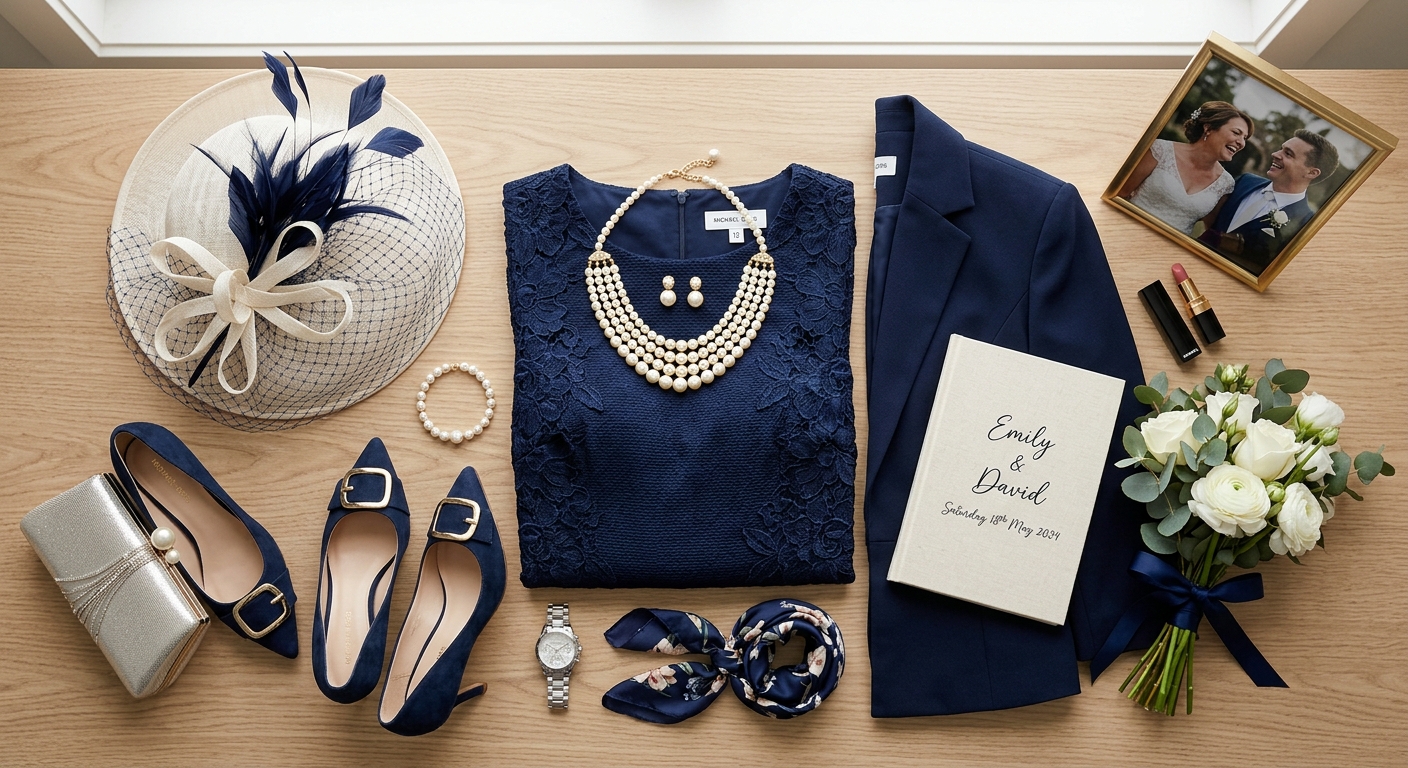
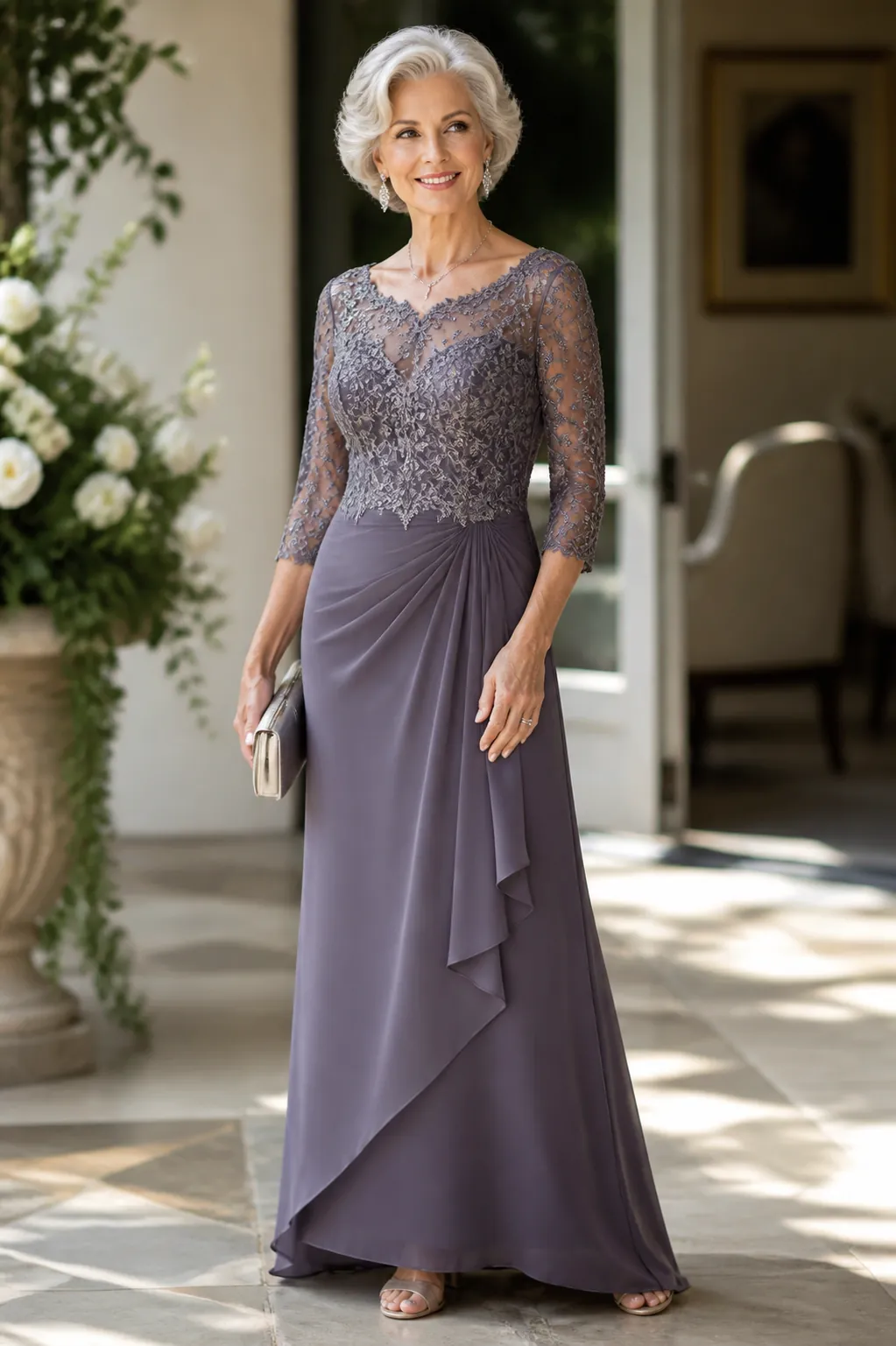
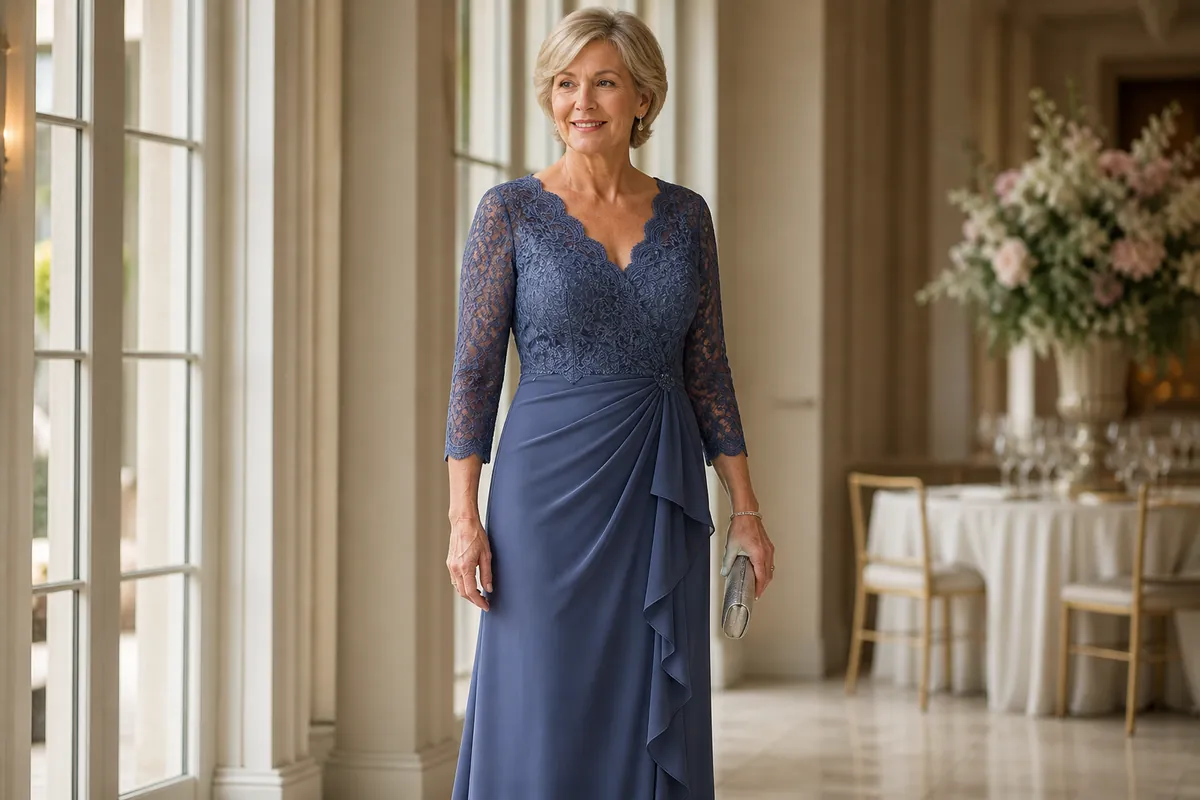
Coordinating the Mother of the Bride and Mother of the Groom outfits helps the wedding feel more polished and visually balanced. The goal is not to make both mothers look the same, but to make sure the two outfits feel equally formal, equally thoughtful, and equally suited to the day. When that happens, the wedding album and the overall atmosphere both feel calmer and more cohesive.
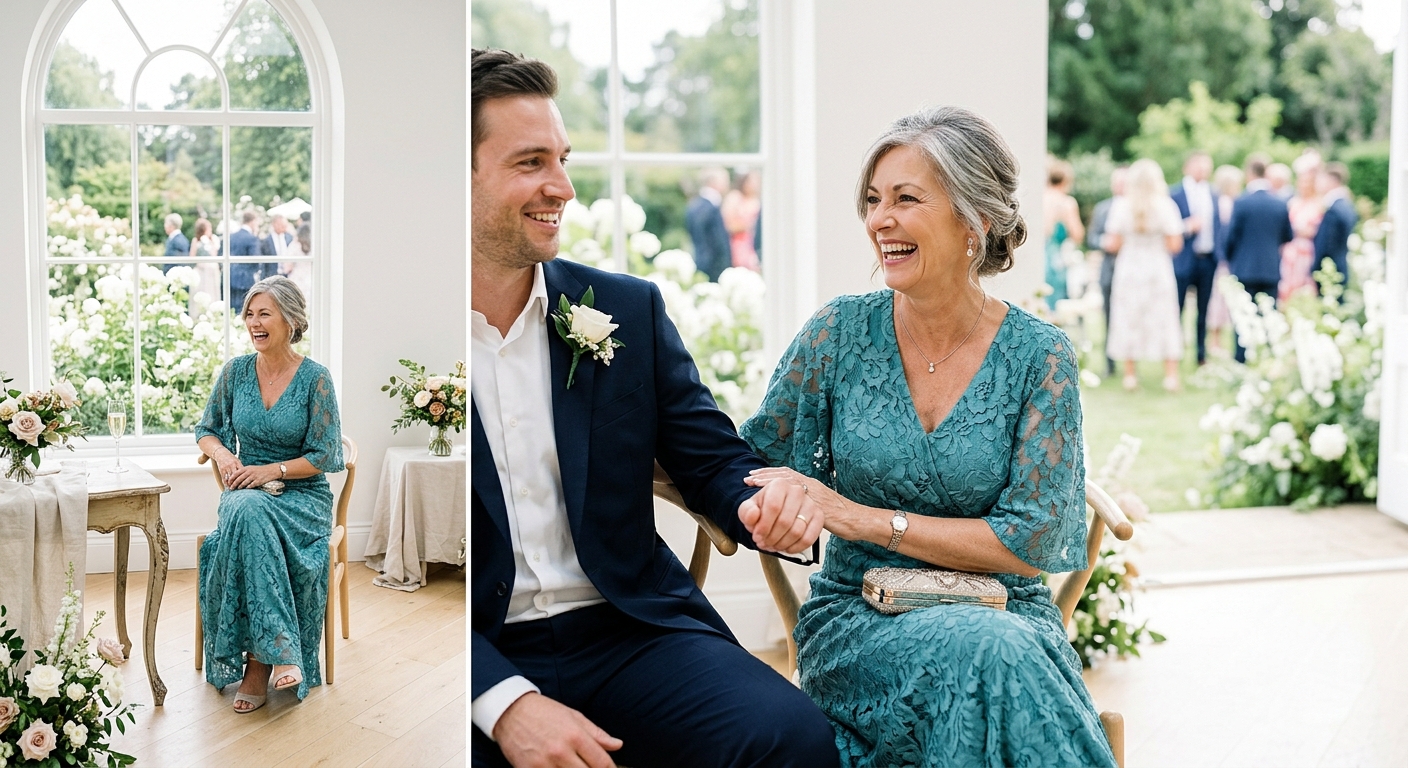
Coordination matters because the mothers are often photographed together, and their outfits can either complement or clash with one another. If one outfit is very formal and the other is very casual, the difference can look awkward in photos. If one colour is loud and the other is muted, the imbalance can feel distracting. Good coordination keeps the focus on the couple while still allowing each mother to look and feel her best.
In Australian weddings, coordination also has to work with the venue and the season. A beach ceremony, a garden wedding, a winery celebration, or a black-tie evening event all suggest slightly different outfit choices. When both mothers are thinking about the same setting, the results are usually much easier to harmonise.
If you are starting the process, browse the homepage, then move into the collections and blog to compare silhouettes and formal levels side by side. The about us page is also useful if you want a quick sense of the brand’s style before deciding on the final direction.
Style advice from Brides often points to the same principle: the best mother-of-the-wedding outfits feel aligned with the event rather than matched for matching’s sake.
Start with formality
The simplest way to coordinate the two outfits is to start with formality. If one mother is wearing a formal floor-length gown, the other mother should usually be in the same general level of dressiness. If one outfit is mid-length and more relaxed, the other should be in a similar range. That keeps the overall look balanced and prevents one person from feeling under- or over-dressed.
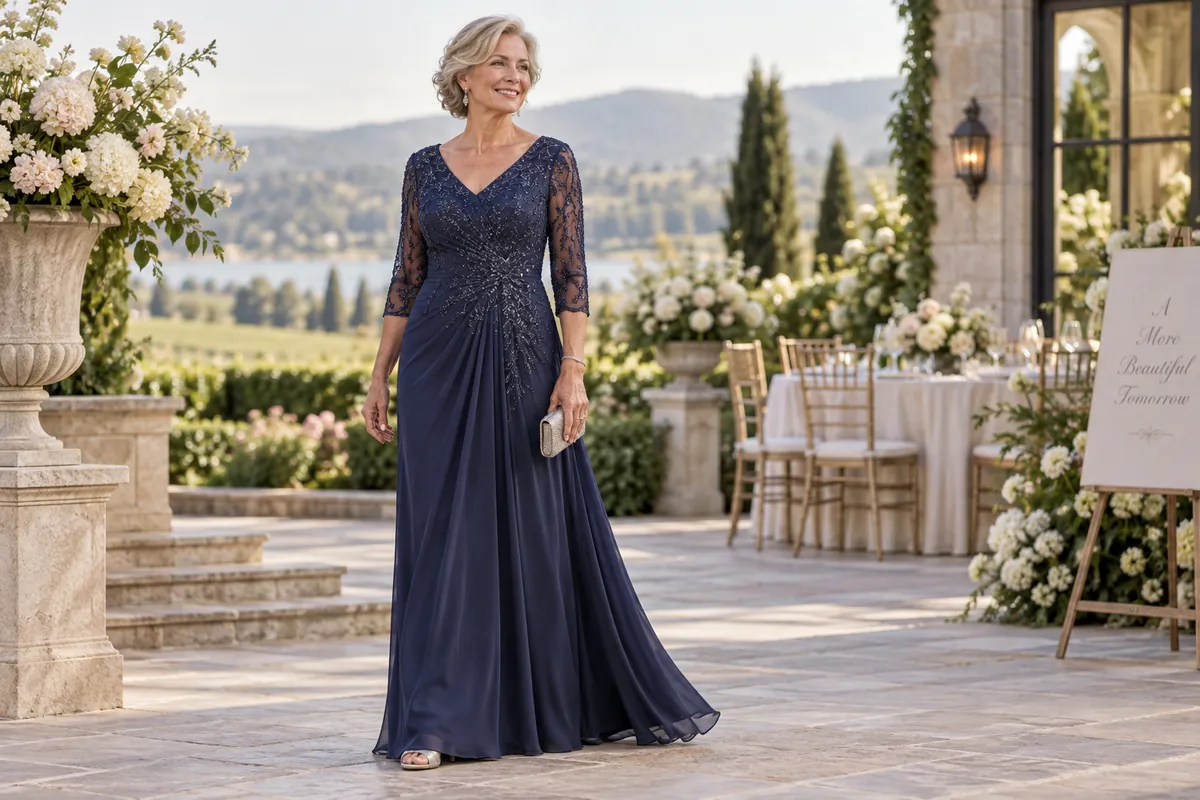
Formality matters more than exact style. The dresses do not need to be identical or even especially similar, but they should feel like they belong to the same wedding. If the event is black-tie, both mothers should look appropriately elevated. If the wedding is a relaxed garden or coastal celebration, both outfits should feel polished without becoming too heavy.
One of the best ways to establish formality is to look at the venue and the dress code together. A city hotel or grand ballroom usually calls for a more structured, refined look than a beach or backyard setting. When both mothers are dressing to the same standard, the photos feel more natural and the families look thoughtfully coordinated.
It can also help to think about the couple’s overall styling. If the bride has chosen a soft, romantic theme, both mothers may want to stay within that mood rather than pushing toward something much more dramatic or modern. The best result is one where the outfits support the day without trying to steer it.
To compare styles while keeping formality in mind, the collections page is a great starting point. The blog can also help you think about what feels right for the event before you commit.
Style references from Harper’s BAZAAR and Martha Stewart Weddings often show that matching levels of formality creates more elegance than matching exact details.
Choose colours that work together
Colour is one of the easiest ways to create harmony between the two outfits without making them identical. The best approach is usually to choose shades that feel related, complementary, or equally balanced. That might mean one mother wears a soft neutral while the other wears a deeper shade, or one chooses a muted pastel while the other goes for a richer tone in the same colour family.
The important thing is to avoid colours that compete. Two outfits in very different colour stories can feel disjointed in photos even if each dress is beautiful on its own. It is often better to think in terms of tone rather than exact colour match. If both outfits feel equally elegant and fit the broader wedding palette, that is usually enough.
For Australian weddings, colour should also work with the season. Summer weddings often suit lighter and more breathable shades, while winter weddings can support deeper jewel tones or refined neutrals. The venue matters too. A beach or garden setting may call for softer colours, while a formal city reception can handle more depth and contrast.
Some families prefer to coordinate closely by sharing a shortlist of approved colours early. That can be helpful if the bride wants the overall look to feel especially cohesive. Others prefer a more relaxed approach, where both mothers simply aim for the same level of formality and avoid clashing. Either can work well if the communication is clear.
If you want to explore colour options while keeping the styling aligned, the collections are the best place to compare shades side by side. The homepage is also useful if you want to step back and see the full brand tone again.
For wider inspiration, Brides and Vogue often show how coordinated colour choices can make wedding styling feel effortless and elegant.
Think about the venue
The venue is one of the most useful tools for coordinating the two outfits because it naturally suggests the right level of formality, fabric, and colour. A black-tie ballroom, for example, will usually support more structured, refined looks than a relaxed coastal ceremony. When both mothers take the venue into account, the outfits usually feel more balanced and appropriate.
Beach weddings often suit lighter fabrics, softer colours, and shoes that are practical on sand or uneven ground. Garden weddings tend to work well with flowing silhouettes and romantic palettes. Winery and country weddings often reward richer tones and fabrics with a little more movement. City weddings and hotel receptions can support cleaner lines and a slightly more polished finish.
Venue coordination is not just about aesthetics — it is also about comfort. If both mothers are expected to move between outdoor and indoor spaces, they should both choose outfits that can cope with those conditions. That means checking shoe practicality, fabric weight, and any layering needs before finalising the look.
It is worth remembering that the venue affects photographs too. Outdoor sunlight, evening lighting, and indoor formality all change how the outfits appear. If both mothers consider the same setting from the start, the final images usually look much more cohesive.
For more venue-friendly ideas, the blog and collections are helpful resources. They make it easier to compare which outfits suit the location and the mood of the wedding.
Style references from Brides often show that venue-led styling is one of the simplest ways to keep family outfits coordinated.
Avoid common mistakes
One of the most common mistakes is trying too hard to match. The Mother of the Bride and Mother of the Groom do not need identical dresses or identical colours. In fact, that can often feel less natural. The better goal is harmony, not duplication.
Another mistake is ignoring the formality level. One mother wearing a very casual dress and the other wearing something much more formal can create a visible imbalance in photos. This is why it is so useful to decide on the dress code and venue first. Once that is clear, the rest of the choices become much easier.
It is also important to avoid colours or details that clash with the wedding palette. If the bride has chosen a soft romantic theme, a bold colour or overly dramatic embellishment may feel out of place. On the other hand, a very muted outfit at a glamorous black-tie wedding may feel too quiet. The outfit should support the day, not fight it.
Accessories can also cause problems if they are not coordinated well. A dress may be beautiful, but if the shoe, bag, or wrap feels disconnected, the whole outfit can lose its polish. The same goes for fabric — one dress may feel much heavier or lighter than the other if the materials are too different.
If you are unsure where the balance sits, use the about us page and blog to reset the styling direction. The homepage is also useful for stepping back and looking at the broader brand tone before making the final choice.
Wedding style coverage from Harper’s BAZAAR and Martha Stewart Weddings often reinforces the same lesson: the most elegant coordination is subtle and intentional, not forced.
Planning the full look
Once the dresses are chosen, the next step is to think about the full look from shoes upward. Both mothers should aim for outfits that feel finished and balanced. That means checking footwear, jewellery, wraps, and handbags so the overall effect feels cohesive rather than pieced together.
It helps to talk about the outfits early enough that both mothers can make informed choices. A short conversation about formality, colour direction, and venue can save a lot of confusion later. That does not mean everyone has to wear the same thing — just that the choices should feel connected.
Think about how the outfits will appear in photographs too. The aim is not to look identical, but to look equally polished. When both mothers are wearing dresses of the same level of formality and the same general style tone, the family photos tend to feel more elegant and less visually busy.
It is also useful to try the complete outfit on before the wedding. Dress, shoes, jewellery, wrap, and any bag should be seen together so you can check whether everything works. Small adjustments can make a big difference to how coordinated the final look feels.
If you are still deciding between options, the collections and blog are helpful for comparing formal levels and colour families. The homepage and about us pages are also good reference points if you want to keep the overall style aligned.
For broader planning context, Vogue regularly shows that coordinated wedding styling works best when each outfit feels distinct but connected.
Frequently asked questions
How do you coordinate Mother of the Bride and Mother of the Groom outfits?
Focus on matching the level of formality, choosing colours that work together, and keeping the venue in mind. The outfits do not need to be identical — they just need to feel equally polished and suited to the wedding.
Should the two mothers wear the same colour?
Not necessarily. Related or complementary colours often look better than exact matches because they feel coordinated without appearing forced.
Who chooses the Mother of the Bride and Groom outfits?
Usually each mother chooses her own outfit, but the bride or family may guide the colour or formality level. A quick conversation early on helps everyone stay aligned.
Do the outfits need to match the bridesmaids?
No, they do not need to match the bridesmaids, but they should sit comfortably within the overall wedding palette and formality. Coordination matters more than matching.